The Problem with Traditional Hosiery
For decades, making socks has taken a heavy toll on the planet. Traditional sock production requires vast amounts of water, energy, and raw materials. Worse still, socks are rarely recycled. Millions of pairs end up in landfills every year, where synthetic fibers can take centuries to break down.
What Exactly Are Recycled Material Socks?
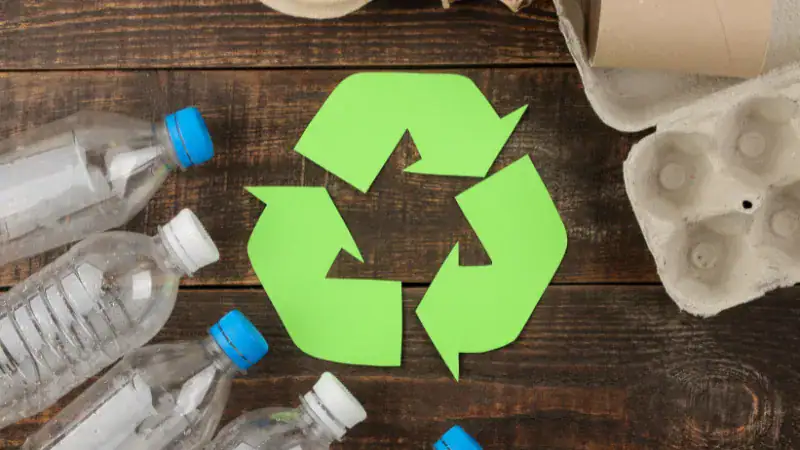
Recycled socks are exactly what they sound like: hosiery crafted from materials that already exist. Instead of extracting new resources from the earth, manufacturers rescue waste and transform it into high-quality yarn. Here are the most common materials used:
- Recycled Polyester (rPET): This is made by melting down clear plastic water bottles and spinning them into a soft, durable yarn. It is excellent for moisture-wicking and keeps plastics out of our oceans.
- Recycled Cotton: Manufacturers collect cotton scraps from factory cutting rooms or old garments. These scraps are shredded and spun back into new yarn, saving millions of gallons of water compared to growing new cotton.
- Regenerated Nylon: This innovative material rescues discarded fishing nets, fabric scraps, and industrial plastic from oceans and landfills. It provides the perfect stretch and durability needed for athletic and everyday socks.
- Recycled Wool: Old wool sweaters and garments are sorted by color, shredded, and re-spun. This process breathes new life into the fabric while keeping your feet incredibly warm and cozy.
Why Choose Recycled Material Socks?
Switching to recycled socks is a small change that makes a massive difference. Here is why you should make the switch:
- Massive Reduction in Carbon Footprint: Producing recycled yarn uses significantly less energy and generates fewer greenhouse gas emissions than creating virgin fibers from scratch.
- Diverting Waste from Landfills and Oceans: Every pair of recycled socks helps remove plastic bottles from oceans and keeps textile waste out of overflowing landfills.
- Uncompromised Performance and Comfort: You do not have to sacrifice quality. Recycled yarns are engineered to be just as soft, breathable, and durable as traditional materials.
- Water Conservation: Recycled cotton and wool bypass the farming stage entirely, saving thousands of liters of fresh water per batch.
- Supporting a Circular Economy: Buying recycled products creates market demand for waste materials. This encourages more companies to clean up the planet and reuse what we already have.
From Waste to Wear: How Recycled Socks Are Made
Transforming trash into a comfortable pair of socks is a fascinating mix of technology and sustainable engineering. Here is how the magic happens:
Collection and Sorting
The journey begins with gathering the raw waste. This might mean collecting clear plastic water bottles from recycling centers, pulling discarded fishing nets from the ocean, or sweeping up fabric scraps from factory floors. These materials are then meticulously sorted by type. They are also sorted by color, which is a brilliant trick: keeping colors together often removes the need to dye the yarn later, which saves massive amounts of water and harsh chemicals.
Cleaning and Shredding
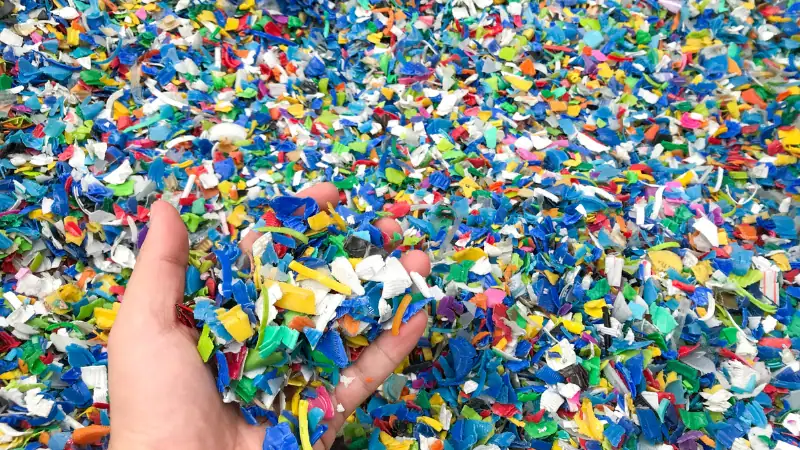
Before waste can become wearable, it must be perfectly clean. The sorted materials are washed thoroughly to remove dirt, labels, and any other impurities. Once clean, the materials are chopped up. Plastic bottles are ground down into tiny, clear flakes. Old cotton shirts and wool garments are shredded back into raw, fluffy fiber dust.
Melting and Extrusion (For Synthetics)
For plastic-based materials like rPET and regenerated nylon, the tiny flakes are heated until they melt into a thick liquid. This liquid is then pushed through a special device called a spinneret, which works very much like a tiny showerhead. As the hot liquid squeezes through the tiny holes, it instantly cools and hardens into long, continuous, and surprisingly soft threads.
Spinning (For Natural Fibers)
Recycled natural materials take a slightly different path. The shredded cotton or wool fibers are run through a machine that combs them out, untangling and aligning all the pieces. Because the recycling process can make these natural fibers shorter, they are sometimes blended with a small amount of virgin organic cotton or recycled polyester for extra strength. Finally, they are spun tightly together to create a fresh, durable yarn.
Knitting and Finishing
Now, the eco-friendly yarn is finally ready for production. Spools of this yarn are fed into high-tech, computerized knitting machines. These machines work at lightning speed to knit the intricate patterns, heels, and shapes of the socks. After knitting, the toes are seamlessly linked for maximum comfort. Finally, the socks undergo a strict quality check, get a final wash, and are neatly packaged for their new life on your feet.
Pro-Tips: How to Care for Your Eco-Friendly Socks
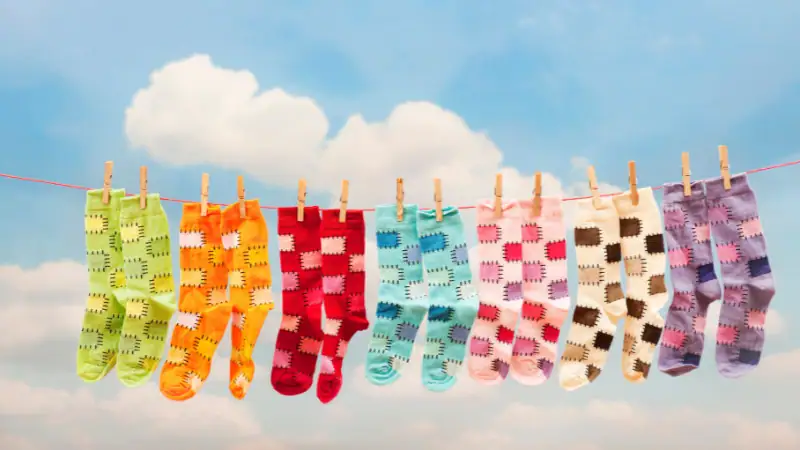
To get the most out of your sustainable socks and further protect the planet, follow these easy care tips:
- Wash Cold and Line Dry: Always wash your socks in cold water to save energy and preserve the fabric’s elasticity. Whenever possible, skip the dryer and let them line dry. Heat breaks down elastic fibers over time.
- Combatting Microplastics: When washed, all synthetic fabrics (even recycled ones) shed tiny microplastics. Protect the oceans by washing your synthetic socks in a microplastic-catching laundry bag.
Introducing a Leading Recycled Material Socks Manufacturer – SinoKnit
When it comes to bringing sustainable sock lines to life, SinoKnit stands out as a premier B2B custom manufacturer. Known for a highly diverse product catalog, Sinoknit specializes in crafting top-tier grip socks, trampoline socks, and performance sports socks.
While they work with a wide variety of premium materials, their production of rPET (recycled polyester) socks is truly massive. Thanks to a clear, transparent manufacturing process and state-of-the-art, reliable machinery, Sinoknit consistently delivers high-quality eco-friendly hosiery that has earned deep trust and high praise from global clients.
Looking for something unique? Sinoknit thrives on high-level customization. Backed by a professional in-house design team, they can turn your exact vision into reality. Whether you want a specific sustainable fiber, a unique pattern, or a highly specialized style, you can contact Sinoknit to design and manufacture the perfect custom socks for your brand.