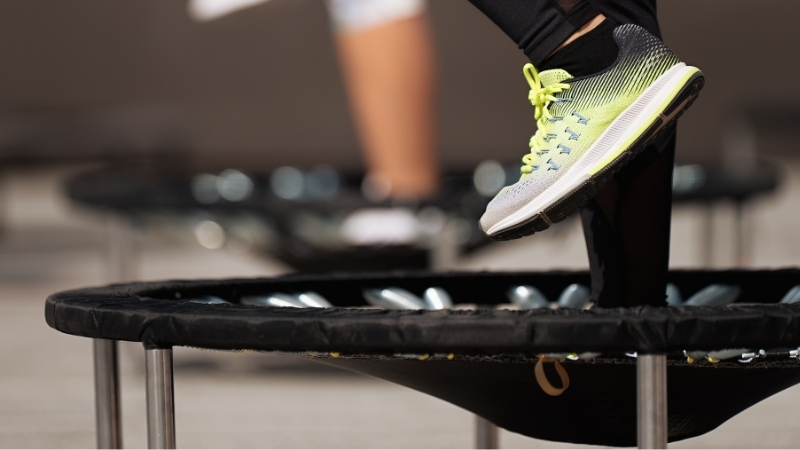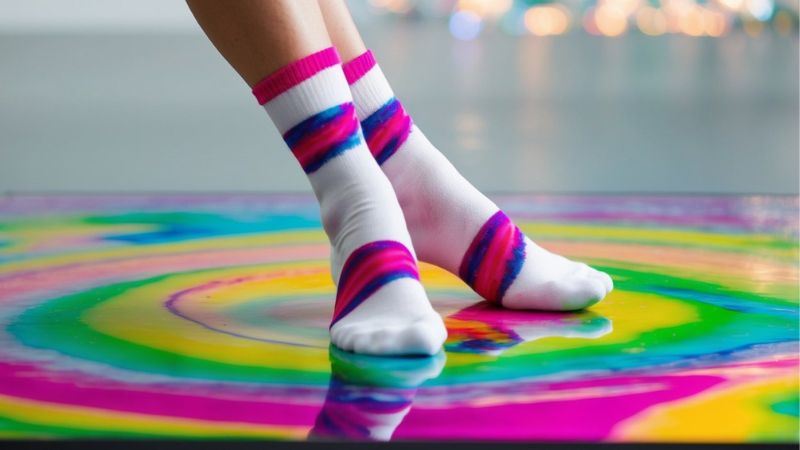
Shorts are summer’s easiest piece — but the socks you pair with them aren’t an afterthought. Because your legs are exposed, socks and shoes move to the front of the stage. This guide explains the easiest, most reliable ways to pair socks with different shorts and shoes so your outfit looks intentional, comfortable, and polished.
Why Socks Even Matter When Wearing Shorts
When you’re wearing full-length trousers, your socks are mostly hidden. But the moment you switch to shorts, your socks become visible — sometimes very visible. That visibility means they’re now an active part of your outfit, not just a layer of comfort between your foot and your shoe.
The right kind of socks does two things simultaneously: it keeps you comfortable and adds to your overall aesthetic. The wrong choice, on the other hand, can look like a genuine faux pas — the kind that throws off an otherwise great outfit. Think of thick wool socks with flip-flops. The mismatch is jarring because the socks are fighting the mood of everything else you’re wearing.
Beyond aesthetics, socks also affect practicality. Breathable materials keep your feet cool in warm weather, while the right length prevents blisters when you’re active. So this isn’t just about fashion — it’s about comfort and style working together.
The 4 Types of Socks You Need to Know
Knowing the difference between your options is the foundation of pairing socks with shorts well. There are four key styles that do most of the heavy lifting.
1. No-Show Socks
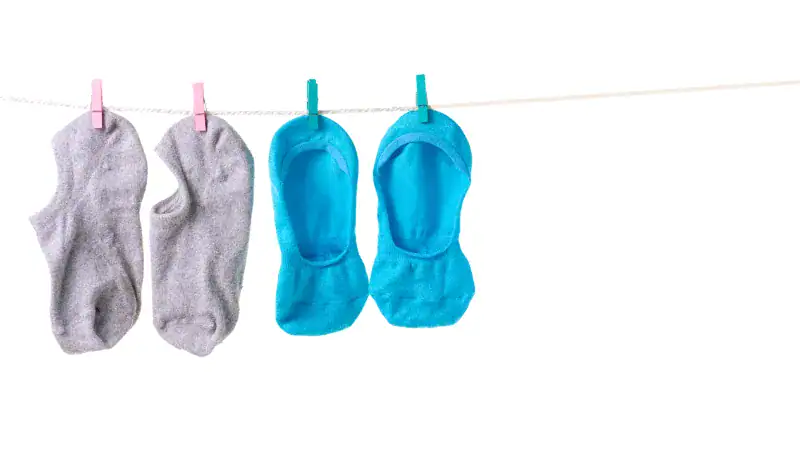
As the name suggests, these sit below the ankle and disappear inside your shoe, giving the illusion of going barefoot while still protecting your feet. No-show socks are the go-to choice when you want a clean, minimal look — they’re especially effective with low-profile sneakers and loafers. The one caveat: make sure they actually stay in place, because a no-show sock that keeps slipping down the heel is more frustrating than helpful.
2. Ankle Socks
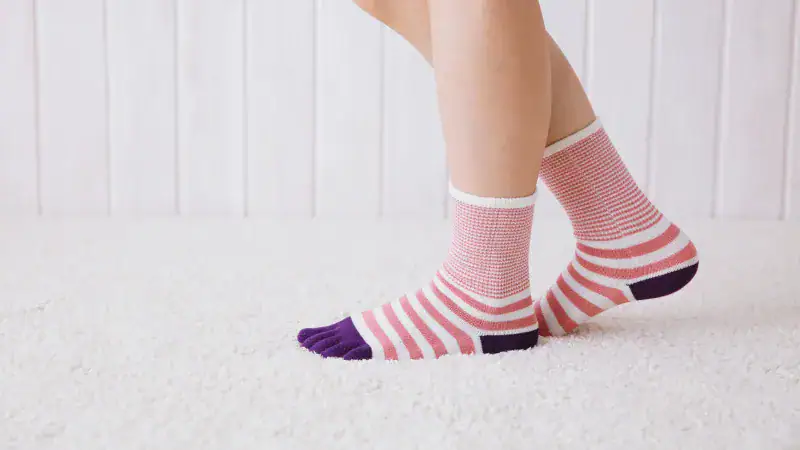
The ankle sock is perhaps the most versatile option in this category. It sits just at or slightly above the ankle, offering a bit more coverage than no-shows without drawing too much attention. They work across a huge variety of shoe types — from athletic shoes to canvas sneakers — and suit both sporty and casual outfits equally well.
3. Crew Socks
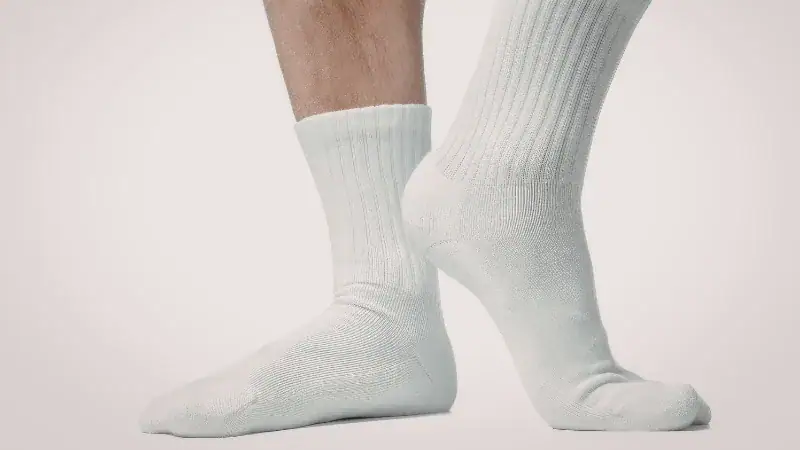
Crew socks hit somewhere between mid-calf and just below the knee, and they’ve had a serious fashion revival in recent years. Once relegated to gym class, crew-length socks are now a legitimate fashion statement in streetwear, retro-inspired looks, and even some smart-casual fits. They work particularly well with chunky sneakers or high-tops, and when done right, they add a ton of visual interest to an outfit.
4. Tube Socks and Tall Socks
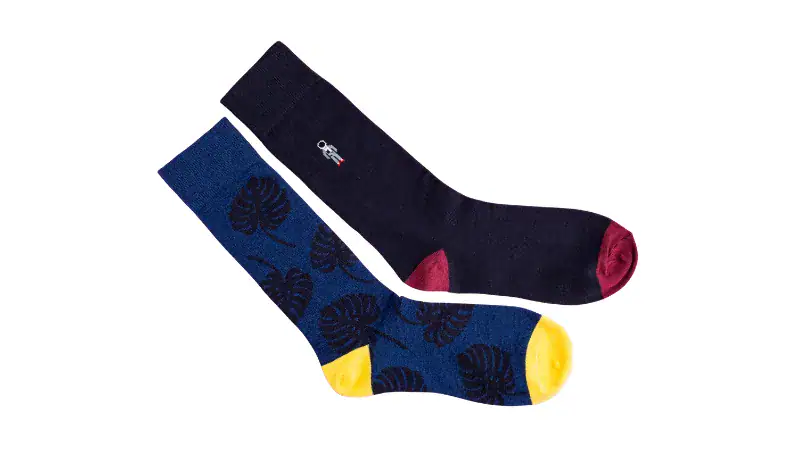
Tube socks and tall socks with shorts occupy the bolder end of the spectrum. These are statement pieces in their own right — they draw the eye and demand that the rest of your outfit be intentional. They pair best with athletic shorts or oversized fits where the proportions make sense. Long socks with shorts can absolutely work, but they require confidence and coordination.
Match Your Socks to Your Shorts

The variety of shorts available today is enormous, and different styles call for different sock choices. Here’s how to think about it.
1. Denim Shorts
Denim Shorts are among the most common warm-weather staples. Their casual, laid-back vibe pairs beautifully with ankle socks and clean white sneakers for a classic summer look. You can also lean into the retro angle with crew socks and chunky trainers if you’re going for more of a streetwear edge. What you generally want to avoid here is anything too formal or structured — keep the shorts style relaxed and let your socks follow suit.
2. Chino Shorts
Chino Shorts sit a step above denim in terms of refinement. They have a slightly more polished feel, which means no-show socks or very low ankle socks work best, especially if you’re wearing sneakers or loafers. The goal is to keep the shorts as the focal point without the socks adding visual noise at the bottom. Crew socks in neutral tones — navy, white, or grey — can also work if you want a preppy, put-together feel.
3. Athletic Shorts
Athletic Shorts are the most forgiving category when it comes to socks. Here, function leads and fashion follows. Ankle socks and crew-length athletic socks both make sense, and you have more freedom to play with colourful socks or patterned socks since the sporty context accommodates bolder choices. Athletic shoes are the obvious pairing, and together with a well-chosen sock, the outfit reads as intentionally sporty rather than just thrown together.
4. Cargo Shorts
Cargo Shorts have a utilitarian, outdoorsy quality. They work well with ankle or crew socks in earthy or neutral tones, paired with trail-style sneakers or boots. Avoid anything too delicate or fashion-forward — cargo shorts call for socks that match their functional energy.
5. Shorter Shorts
Shorter Shorts — think tailored or resort-style fits — often look best with no-show socks, allowing the leg line to remain uninterrupted. If you’re going for a refined, European summer aesthetic, the less sock you show, the better.
The Color Code
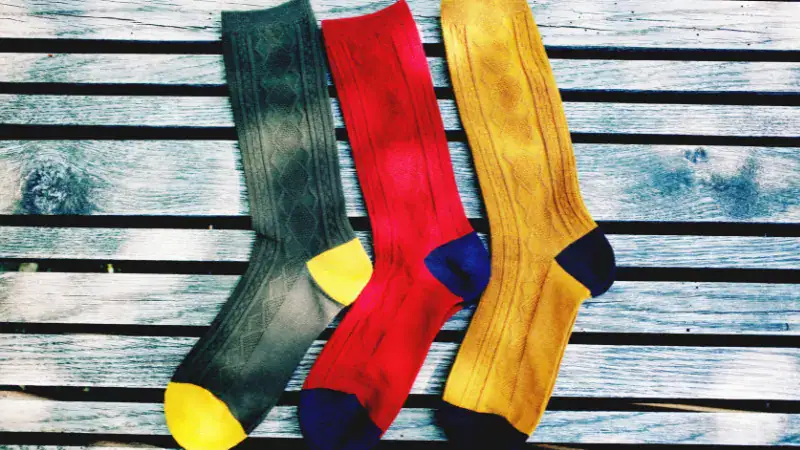
Color is where many people stumble, but once you internalize a few simple rules, it becomes intuitive. The core principle is this: your socks should either complement your outfit or intentionally contrast with it. What you want to avoid is an accidental mismatch that looks unplanned.
- White socks are the most classic choice, and the white sock remains a reliable go-to for casual and athletic outfits alike. They’re clean, versatile, and work with almost any color of shorts. The key is keeping them actually white — dingy, yellowing white socks undermine the entire look.
- Grey and black socks are your safe neutral zone. They work across the widest range of outfits and are especially useful when you’re unsure. A neutral color sock rarely clashes, and in many cases, it quietly ties the outfit together without drawing attention to itself. This is the “when in doubt” category.
- Patterned socks and colourful socks are where personality comes in. Stripes, dots, argyle, bold graphics — these socks can add a genuine bit of panache to an outfit that might otherwise be fairly plain. The trick is balance: if your shorts and shoes are neutral, a bold sock can be a fun accent. If your outfit is already busy, solid-colored socks will serve you far better, since without overwhelming the outfit is always the goal.
For a cohesive look, try pulling a sock color that echoes something already present in your outfit — the color of your shirt, a detail on your shoes, or even the tone of your shorts. This subtle color-matching is one of the easiest ways to look like you’ve put genuine thought into your outfit.
The Fabric Guide
Fabric might be the most overlooked dimension of sock selection, but it matters more than people realize — especially in warm weather when you’re wearing shorts.
- Cotton is the most common sock material and for good reason. It’s soft, affordable, and widely available. However, standard cotton absorbs moisture and holds onto it, which can leave your feet feeling damp and uncomfortable on warm days. For casual, low-activity wear, cotton socks are perfectly fine.
- Breathable performance fabrics — blends of polyester, nylon, or moisture-wicking materials — are the better choice for anything active. If you’re wearing athletic shorts and heading out for a workout or a long walk, a moisture-wicking sock will keep you comfortable significantly longer than cotton. Look for terms like “moisture management” or “ventilated” on the packaging.
- Bamboo and merino wool are worth mentioning for their natural temperature-regulating properties. Bamboo socks in particular are extremely breathable, soft against the skin, and naturally odor-resistant — a genuine comfort upgrade for everyday wear. They work just as well in summer as in cooler weather, making them a versatile staple.
Outfit Formulas You Can Copy
Sometimes you just want a ready-made answer. Here are some reliable combinations that work — consider these your starter pack for styling tips for wearing socks with shorts.
- The Classic Summer Look: Chino shorts in beige or navy + white no-show socks + white leather sneakers. Clean, simple, and effortlessly stylish. This is the classic summer formula that almost never fails.
- The Sporty Look: Athletic shorts in any color + ankle crew socks in white or grey + athletic shoes or trainers. Functional and sharp — this outfit proves that sporty doesn’t have to mean sloppy.
- The Streetwear Edge: Denim shorts + crew-length colourful socks or striped socks + chunky sneakers. Let the socks be part of the statement here. This is where self-expression through pattern or color really shines.
- The Relaxed Loafer Fit: Chino or linen shorts + no-show or very low ankle socks + loafers. The low-cut sock keeps the silhouette clean, and the loafer elevates the look without trying too hard. A touch of sophistication without overcomplicating things.
- The Retro Athletic: Athletic or denim shorts + tall socks with shorts in a solid color or stripe + retro running shoes. This look leans into the 80s-inspired revival and works brilliantly when worn with intention.
FAQs
Can I wear patterned or printed socks?
Yes — if your shorts and shoes are neutral. Let the socks be the fun detail. Polka dots, stripes, or tiny icons add personality without screaming for attention.
What socks work with dressy shorts (like linen or tailored)?
Go no-show or invisible liner. Bare ankles keep it polished. Never visible cotton crews — they kill the smart-casual vibe instantly.
Are compression socks okay with shorts?
For running or travel recovery, yes. For style, no. Save them for workouts or flights. If you must, pick black or dark tones to blend in.
Any rules for kids wearing shorts and socks?
Let them have fun. Knee-highs with sandals? Sure. Mismatched crazy colors? Even better. Kids pull off anything — confidence does the real work.