Long flights can leave your legs feeling swollen, tired, and uncomfortable. You might have seen other travelers wearing special socks that go up to their knees and wondered if they actually help.
These are called compression socks. Understanding how they work, who should wear them, and how to choose the right pair can help you decide if they’re worth adding to your travel routine. You’ll also want to know about any possible side effects and the best ways to use them during your flight.
What Are Compression Socks?
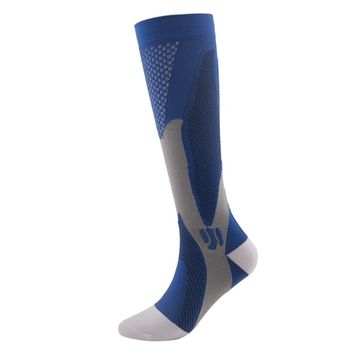
Compression socks are special stockings that squeeze your legs gently. They apply pressure to your ankles and calves to help blood flow better.
How They Apply Pressure:
- Highest pressure at the ankle
- Medium pressure at the calf
- Lowest pressure at the top
Compression socks come in different pressure levels. Light compression works well for most travelers. Stronger compression is used for medical conditions.
You can find compression socks in many styles. Some look like regular dress socks. Others are knee-high or thigh-high stockings.
The material is usually a stretchy fabric that fits snugly. Most compression socks are made from nylon, spandex, or cotton blends.
How Compression Socks Work?
Compression socks work by applying gentle pressure to your legs and feet. When you sit for long periods, blood can pool in your legs due to gravity. This pressure helps push blood back up toward your heart instead of letting it pool in your lower legs, which reduces the chance of blood clots forming during long flights.
Compression stockings fight against this by:
- Improving blood circulation
- Reducing swelling
- Supporting your veins
The pressure from compression socks is measured in mmHg compression units. Travel compression socks usually range from 15-20 mmHg for mild compression or 20-30 mmHg for moderate compression.
Uniform compression applies the same pressure throughout the sock. However, graduated compression socks are better for travel because they work with your body’s natural blood flow patterns.
Why Compression Socks Are Beneficial for Flying?
Reducing the Risk of DVT
Deep vein thrombosis (DVT) is a serious condition where blood clots form in the deep veins of your legs. When you don’t move for long periods, pooled blood may form clots that can be very dangerous if they travel to your lungs. Compression socks apply gentle pressure that helps push blood back toward your heart.
Key DVT risk factors during flying:
- Sitting still for more than 4 hours
- Dehydration from cabin air
- Cramped seating positions
- Reduced cabin pressure
Studies show that compression therapy works well for people in hospitals after surgery. The same principles apply to air travel, especially on long-haul flights where you’re stuck in one position.
Meanwhile, better blood circulation during flights also means:
- Less leg fatigue and heaviness
- More comfortable travel experience
- Fresher feeling legs when you land
This improved circulation is especially important if you already have circulation problems or varicose veins.
Minimizing Leg Swelling
Leg swelling (also called edema) is very common during air travel. Your feet and ankles can become puffy and uncomfortable, especially on flights longer than 3-4 hours.
Compression socks help prevent edema by applying steady pressure to your tissues. The socks work like a gentle, constant massage that keeps fluids moving instead of collecting in one spot. This is the same principle used in compression therapy for people with lymphedema or chronic swelling conditions.
Many travelers notice their shoes feel tight or uncomfortable during long flights. Compression socks can prevent this problem and help you arrive at your destination feeling better.
Are There Any Side Effects to Wearing Compression Socks While Flying?
So, can wearing compression socks cause any problems? Possibly, yes. Most problems happen when the socks don’t fit right or are worn too long.
Common side effects include:
- Skin irritation and redness
- Itching around the sock area
- Discomfort or pain in your legs
- Dry skin where the socks touch
Serious problems can occur if your socks are too tight. Poor-fitting compression socks may actually restrict blood flow instead of helping it. This defeats the purpose of wearing them.
How to avoid problems:
- Choose compression socks that fit your leg size correctly. Take breaks by loosening or removing them for short periods when possible.
- Always wear clean compression socks for each flight. Dirty socks can cause skin infections or make irritation worse.
- Talk to your doctor before using compression socks if you have circulation problems. They can help you pick the right pressure level and fit.
How to Choose the Right Compression Socks?
Compression socks for flying come in different types and pressure levels to meet your travel needs. The right choice depends on your flight length, health conditions, and comfort preferences.
Types of Compression Socks
- Knee-high compression socks are the most popular choice for air travel. They extend from your foot to just below your knee. This length covers the main areas where blood pools during long flights. These socks have a wide range of pressure options (15-40 mmHg) and work well for flights longer than four hours. Most travelers find them comfortable and easy to put on.
- High compression socks provide stronger pressure than regular travel socks. They typically offer 20-30 mmHg of pressure. You might need these if you have varicose veins or other circulation problems. But some people find them too tight for casual travel.
- Travel-specific compression socks are made just for flying. They usually provide mild-to-moderate compression (15-20 mmHg). This amount works well for healthy people on long flights. They cost less than medical-grade options.
Selecting Proper Compression Levels for Air Travel
Compression levels are measured in mmHg (millimeters of mercury). This number tells you how much pressure the socks apply to your legs.
| Compression Level | Pressure (mmHg) | Best For | Use Case | Prescription Needed? |
|---|---|---|---|---|
| Light compression | 8-15 | Minor swelling, short flights (<4 hrs) | – Mild leg fatigue – Prevent slight puffiness |
No |
| Moderate compression | 15-20 | Healthy travelers, long flights (4+ hrs) | – Reduce DVT risk – Combat swelling |
No |
| Firm compression | 20-30 | Circulation issue | – Medical support – Postoperative repair |
Sometimes (consult doctor) |
| Extra Firm compression | 30-40 | Severe medical conditions | – Chronic venous insufficiency | Yes |
Choose your compression level based on your flight time and health needs. Most people do well with 15-20 mmHg for long flights.
Who SHOULD Wear Compression Socks When Flying
Certain groups of people benefit more from wearing compression socks during flights than others.
Individuals at Increased Risk
People with existing medical conditions face higher risks during flights. You should wear compression socks if you have a history of high-risk conditions, such as deep vein thrombosis.
High-risk medical conditions include:
- Previous blood clots
- Heart disease
- Cancer or recent cancer treatment
- Blood clotting disorders
- Varicose veins
- Recent surgery
Your doctor may recommend compression socks if you take hormone therapy or birth control pills. These medications increase clotting risks during long periods of sitting.
Pregnant Women
Pregnancy slows your blood flow and increases clotting risks. Your growing baby puts pressure on the blood vessels in your pelvis. This slows blood flow from your legs back to your heart.
Pregnant women develop blood clots at five times the normal rate. Flying makes this risk even higher because of long periods without moving. Therefore, you should wear compression socks during any flight while pregnant. Even short flights can cause swelling and discomfort.
Athletes and Frequent Flyers
Athletes often wear compression socks to help recovery and performance. Flying can interfere with your training schedule by causing leg swelling and fatigue.
Athletic benefits include:
- Faster muscle recovery
- Reduced leg fatigue
- Less muscle soreness
Frequent business travelers should also consider compression socks a travel essential. Multiple flights per month add up to significant time sitting still. Your risk of problems increases with more flight time.
General Travelers Seeking Improved Comfort
Healthy travelers can still benefit from compression socks on longer flights. Flights over four hours often cause some leg swelling in most people. Your feet may feel tight in your shoes by the end of the flight.
Compression socks prevent this problem before it starts. You might feel less tired after wearing compression socks on long flights. Better blood flow helps your whole body feel more comfortable during travel.
Who SHOULDN’T Wear Compression Socks When Flying
Most people can safely wear compression socks during flights. However, some people should avoid them or only use them with a doctor approval.
People with certain medical conditions should be careful.
- If you have severe heart problems or circulation issues, compression socks might not be right for you.
- Those with open wounds or infections on their legs should not wear compression socks. The tight fabric can make these problems worse.
- People with severe swelling from heart, kidney, or liver disease need medical advice first. Compression socks could cause complications in these cases.
- Diabetics with nerve damage should talk to their doctor. You might not feel if the socks are too tight or causing problems.
When and How Long to Put On Compression Socks
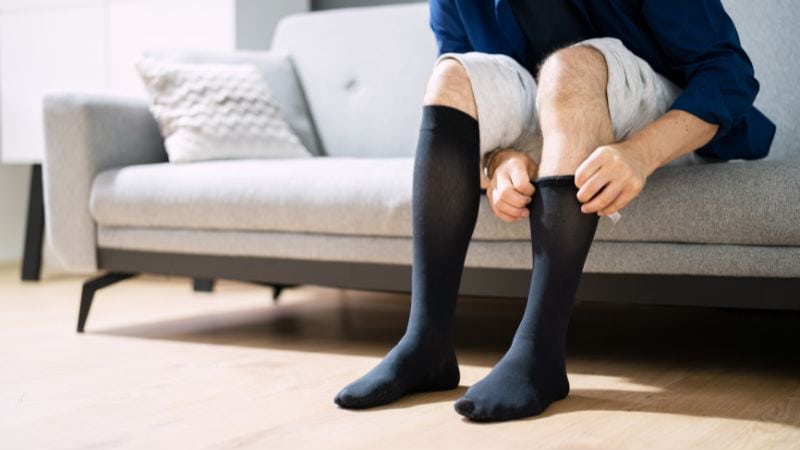
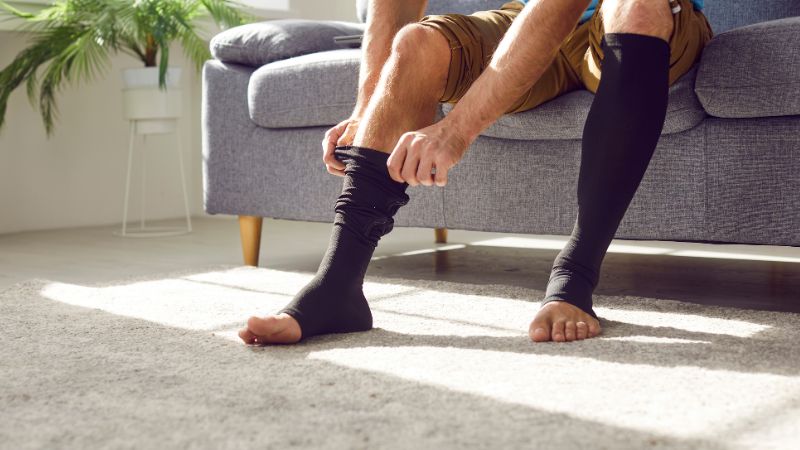
You should put on compression socks for travel early in the day before your flight. This timing prevents blood from pooling in your legs before you even get on the plane.
Put the socks on when your legs are not swollen. If you wait until your legs are already puffy, the socks will be less effective and harder to put on.
Wear compression socks for flying during your entire journey. This includes the time before takeoff, during the flight, and after landing. Don’t remove the socks during the flight unless you have medical issues.
Continue wearing them for 1-2 hours after you land. This helps your circulation return to normal as you walk around and get your luggage.
Other Tips for Ensuring Comfort and Safety During Flights
- Stay Hydrated: Drink plenty of water before and during the flight (cabin air is dry).
- Move Around & Stretch: Walk the aisle every 1-2 hours to improve circulation.
- Adjust Your Seat: Recline slightly (politely) for better rest.
Frequently Asked Questions
What are the recommended times to wear compression socks during air travel?
You should put on compression socks early in the day or right before your flight when your legs are not swollen. This timing prevents blood pooling from starting during extended sitting periods. Blood pooling begins when you sit for long periods. This makes the socks less effective at improving circulation.
Is it necessary for low-risk travelers to wear compression socks on short flights?
Medical guidelines do not recommend compression socks for low-risk travelers on short flights. The risk of blood clots and swelling increases with flight duration. Most healthy people do not need compression socks on flights under four hours. People with existing circulation problems or high-risk factors may benefit from wearing compression socks on any flight length.
What distinguishes flight socks from regular compression stockings?
Flight socks are designed specifically for travel comfort and convenience. They typically offer milder compression levels suitable for healthy travelers. Regular compression stockings provide medical-grade compression for treating specific conditions. These often require a prescription and professional fitting.