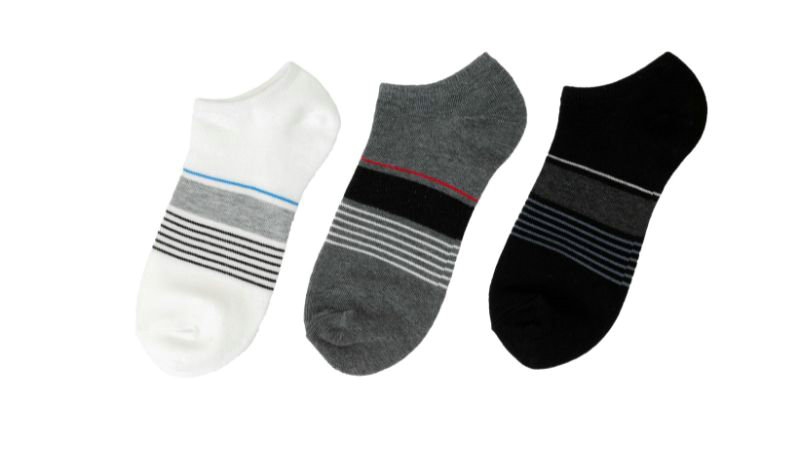
If you’re sourcing trampoline grip sock products, the dot material matters more than many buyers expect. The right choice affects traction, durability, comfort, branding, and cost. Here’s how PVC vs silicone really compares, and which option makes more sense for your market.
Why Grip Material Matters in a Grip Sock
A grip sock is not just a sock with dots on the bottom. It is a safety product, a branding tool, and a practical item for repeated indoor use. When you choose the wrong grip material, you may see more complaints about wear, comfort, or slip issues.
Grip socks are designed to improve traction on smooth surfaces like hardwood, tile, and coated trampoline park flooring. They help reduce fall risk while giving users more confidence during movement, whether that is jumping, climbing, stretching, or landing.
This is why grip socks have become essential for indoor play parks, pilates spaces, barre classes, and some home use settings. In all these cases, the bottom grip has to work with the sock fabric instead of fighting against it.
PVC vs Silicone Grip Dots: The Core Differences
When buyers compare pvc or silicone, they usually focus on price first. That’s understandable. But a better comparison looks at feel, friction, durability, and brand positioning.
Here is a simple breakdown:
| Factor | PVC grip dots | Silicone grip dots |
| Surface feel | Firmer | Softer, more flexible |
| Grip on smooth floors | Good | Very good |
| Comfort underfoot | Moderate | Better |
| Premium feel | Basic to mid-range | Mid- to premium |
| Wash performance | Can be durable | Often better elasticity |
| Best fit | Cost-sensitive orders | Higher-end custom grip socks |
PVC and silicone grips can both work well in a trampoline grip sock. The better option depends on your target price, expected usage frequency, and how you want the finished sock to feel.
For many buyers, PVC offers practical value. It is common in high-volume orders where grip performance matters, but price control also matters. A durable grip made from pvc can still perform well when the grip placement and dot size are engineered correctly.
Silicone, by contrast, usually feels softer and more flexible. That matters if you want a premium grip sock for family entertainment centers, boutique parks, or related categories like pilates socks and studio products.
Traction and Performance on Smooth Surfaces
Traction is not determined by grip material alone. It also depends on the grip pattern, dot density, and grip placement across the sole.
For buyers, the practical difference usually looks like this:
- Silicone: softer touch, better flexibility, and a more comfortable feel on contact
- PVC: reliable grip, stable performance, and better suitability for cost-sensitive bulk orders
On hardwood and tile floors, silicone often feels slightly more secure and cushioned. That is why it is widely used in pilates, barre, and similar studio settings where users notice foot contact more clearly.
PVC still performs well on smooth surfaces when the sock grips are applied in a well-planned layout. For trampoline parks, this is often enough, especially when buyers prioritize consistency, branding, and repeat-order value.
If your customers want a more premium feel, silicone usually has the edge. If they want dependable traction at scale, PVC remains a practical choice.
Durability, Feel, and Wash Resistance
Durability matters because a grip sock needs to keep working after repeated wear and washing. Buyers are not just comparing first-use performance. They are also comparing long-term value.
Here is the key difference:
A well-made PVC grip can be very durable. It is commonly chosen for everyday use because it offers a good balance of cost and performance.
Silicone usually stands out for comfort. Because it stays softer, it may feel less stiff over time. That can improve both traction and wearing comfort, while also helping reduce movement between the foot and the sock fabric.
In the end, material alone is not enough. The final result also depends on:
- grip compound quality
- curing process
- bonding strength between the dots and the sole
Even a good material can underperform if the application process is poor.
Grip Socks vs Regular Socks for Trampoline Use
A trampoline sock should never be treated like regular socks. Traditional socks may feel comfortable, but they do not offer the same traction, safety, or hygiene benefits in a shared indoor environment.
Grip socks vs regular socks is not a close comparison when safety is involved. Grip socks provide better friction on hardwood and tile floors, padded play surfaces, ramps, and platform areas around trampolines.
They also support safety and hygiene. In many venues, guests move between different zones, so a non-slip sock helps keep feet covered while improving balance. That’s why some operators require grip socks instead of allowing barefoot use.
In simple terms, grip socks solve two problems at once:
- Better traction on smooth areas
- Better hygiene for shared spaces
This is also why grip socks are commonly used beyond trampoline parks, including pilates studios, rehab spaces, and some athleisure-focused indoor activities.
How to Choose the Right Non-Slip Socks for Your Market
The right non-slip socks depend on who you sell to. A family trampoline park, a fitness brand, and a premium studio do not all need the same grip technology.
You should ask these questions first:
- Is your buyer cost-focused or premium-focused?
- Will the sock be used once, reused often, or sold at retail?
- Do you need a softer feel for comfort and traction?
- Will the sock be used mainly on studio floors, tile floors, or mixed surfaces?
- Do you want simple dots or a more strategic grip pattern?
If your goal is a value-driven trampoline sock for mass use, pvc may be enough. If you want the best grip socks feel for boutique fitness, home use, or premium indoor recreation, silicone may be the stronger choice.
For mixed-use categories like trampoline, pilates, and workout socks, buyers often prefer silicone or rubber-style softness because it feels more comfortable during longer wear. That matters when the sock must support both movement and daily indoor wear.
Custom Grip Socks: What B2B Buyers Should Check
If you plan to source custom grip socks, don’t look at the bottom dots alone. The full product spec determines whether the final grip sock actually performs well.
Check these points before ordering:
- Sock fabric blend and stretch recovery
- Breathable construction for comfort
- Dot size, spacing, and grip placement
- Logo integration in the grip pads or upper sock
- Durability after repeated washing
- Size consistency across production runs
Good grip socks work because the whole system works together. The best ones combine breathable materials, a stable fit, and a sole pattern that supports stability and safety without feeling bulky.
SinoKnit presents itself as a wholesale custom sock manufacturer founded in 2004, with over 300 knitting machines, annual capacity of up to 20 million pairs, more than 100 product varieties, and exports to over 20 countries and regions. Its site also highlights sampling options, access to many material options through supplier networks, and OEM/ODM support, which can be useful if you need custom trampoline sock development.
You can also review the product page and the blog section to see its wider sock range and sourcing content for buyers.
So, Which Grip Material Is Better?
If you want the short answer, silicone is usually better for premium feel, comfort, and high-end non-slip grip, while pvc is often better for cost-controlled bulk orders.
Choose pvc when you need:
- Competitive pricing
- Solid performance
- High-volume commercial orders
- Practical, durable grip for general trampoline use
Choose silicone when you need:
- Softer underfoot feel
- Premium branding
- Better comfort for extended wear
- Cross-category appeal for trampoline, pilates, and barre markets
So which is better in the grip sock market? For premium positioning, silicone wins. For value and scale, pvc remains a smart option. The right answer is not universal. It depends on your buyer, your price point, and the kind of grip sock experience you want to deliver.
FAQs
Are silicone grip dots more durable than PVC?
Not always in every case, but silicone often keeps a softer, more flexible feel over time. PVC can also be durable when the grip compounds and application process are controlled well.
Which grip material offers better traction?
Silicone often feels better on smooth surfaces like hardwood and tile because it creates a softer contact point. But a well-designed pvc grip pattern can still offer strong traction.
Is PVC or silicone better for trampoline parks?
For cost-sensitive bulk programs, pvc is often the practical choice. For premium custom programs where comfort and brand perception matter more, silicone is often the better fit.
Do grip socks work only for trampoline use?
No. Grip socks serve many indoor uses. They are also common in pilates, barre, yoga-inspired movement, and other workout settings where slipping on smooth surfaces is a concern.
What should you ask a supplier before placing an order?
Ask about sock fabric, grip placement, minimum order requirements, sampling, wash durability, and customization options. You should also confirm whether the socks offer the level of traction and comfort your market expects.
Need a reliable trampoline grip sock supplier?
SinoKnit is a China-based wholesale sock manufacturer with a long operating history, broad product categories, OEM/ODM capability, and dedicated trampoline sock offerings. If you’re looking for a reliable trampoline grip sock manufacturer or supplier, you can contact SinoKnit here or send an inquiry to discuss your custom project.