
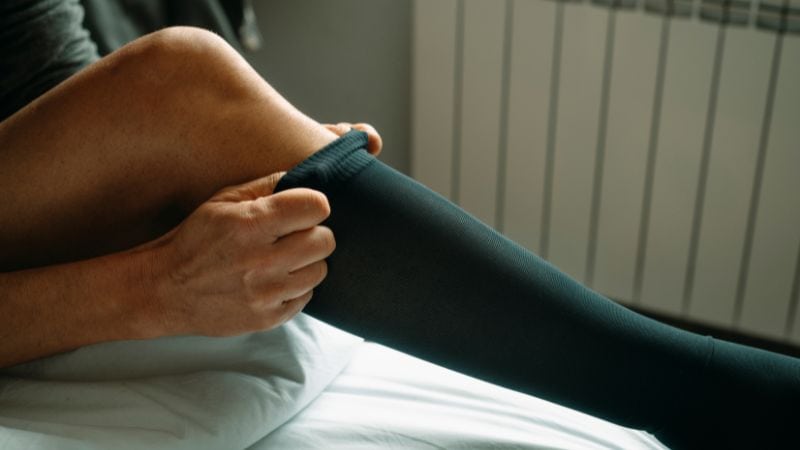
Sciatica affects millions of people with shooting pain that travels from the lower back down through the legs. If you suffer from sciatica pain, you might wonder whether compression socks can help. The good news is, studies suggest they can— research indicates that wearing compression stockings may reduce sciatic pain, with some users reporting milder leg pain after just three weeks of use.
In this article, you’ll learn about the science behind compression therapy, what to look for when selecting socks, and how to use them effectively for sciatica relief.
Understanding Sciatica
The sciatic nerve is the longest nerve in your body. It runs from your lower back down through your hips and legs. Sciatica is pain that travels along your sciatic nerve. The pain usually affects only one side of your body. It can range from mild to severe.
The condition affects millions of people each year. It’s most common in people between 30 and 50 years old. Simple movements can become difficult when you have sciatica. Walking, sitting, or bending may increase your pain.
Most cases of sciatica get better on their own within a few weeks. However, severe cases may need medical treatment.
How Compression Socks Work?
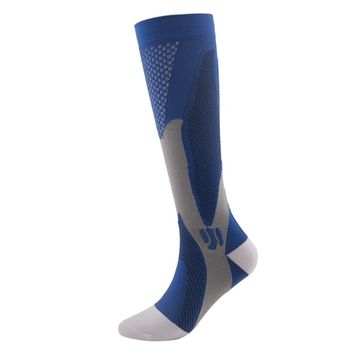
Compression socks apply gentle pressure to your legs and feet. This pressure is strongest at your ankle and gets lighter as it moves up your leg. The pressure helps push blood back up toward your heart. Without this help, blood can pool in your lower legs and feet.
Compression socks work best when you wear them during the day. They provide constant and even pressure while you walk, sit, or stand.
How Compression Socks May Help With Sciatica? 4 Benefits
Even though they cannot replace medication, compression socks can help alleviate sciatica in many ways. Here are four benefits of compression socks for sciatica relief.
Relieving Sciatica Pain
Compression socks provide targeted pressure that can help reduce your sciatic nerve pain. The pressure from compression therapy works by supporting weakened areas around your sciatic nerve.
Key pain relief benefits:
- Reduces shooting nerve pain
- Provides muscle and joint stability
- Makes movement more comfortable
- Helps during sciatica flare-ups
The numbness and tingling that often come with sciatica symptoms may also improve with regular use of compression socks.
Improving Blood Circulation
Poor blood flow can make your sciatica pain worse. The graduated pressure in compression stockings prevents blood from pooling in your lower legs. This improved blood circulation brings fresh oxygen and nutrients to areas affected by nerve pain.
Reducing Inflammation and Swelling
Inflammation around your sciatic nerve can make pain much worse. By improving fluid movement in your legs, compression socks help reduce inflammation and swelling. This reduction in leg swelling takes pressure off your sciatic nerve. When you reduce swelling, you create more space for your sciatic nerve to function normally.
Anti-inflammatory effects:
- Reduces tissue swelling
- Decreases nerve pressure
- Improves lymphatic drainage
- Minimizes fluid buildup
Stabilizing Leg Muscles
Weak or strained muscles can contribute to your sciatica symptoms. Compression socks provide external support that helps stabilize your leg muscles and make them work more efficiently. When your muscles work properly, they put less strain on your sciatic nerve.
Muscle support benefits:
- Reduces muscle strain and fatigue
- Improves leg stability
- Supports weakened areas
- Enhances muscle recovery
The external pressure from compression therapy acts like an extra layer of muscle support. This can help you maintain better posture and movement patterns that don’t aggravate your sciatica.
How to Choose Compression Socks for Sciatica?
When selecting compression socks, there are several factors to consider.
Understanding Compression Levels and Fit
Compression levels are measured in mmHg (millimeters of mercury). For sciatica, you’ll want mild to moderate compression.
- Mild compression (15-20 mmHg) works well for everyday wear and minor sciatic pain. This level provides gentle support without being too tight.
- Moderate compression (20-30 mmHg) offers stronger support for more severe sciatica symptoms. This level helps improve blood flow and reduce swelling better than mild compression.
Proper fit matters just as much as compression level. Socks that are too tight can cut off circulation. Socks that are too loose won’t provide enough support. Measure your legs in the morning when swelling is lowest. Check the size chart for each brand since sizes can vary.
Selecting the Right Compression Socks
Knee-high compression stockings work best for sciatica. They provide targeted pressure on the affected area where the sciatic nerve runs down your leg.
Avoid ankle socks or crew socks for sciatica. These shorter styles don’t cover enough of your leg to help with sciatic nerve pain.
Look for compression socks for sciatica made from breathable materials. Cotton blends or moisture-wicking fabrics keep your feet dry and comfortable.
Choose socks with reinforced heels and toes for better durability. Seamless toe construction prevents pressure points that could cause new pain.
The best compression socks for sciatica often have cushioned soles for extra comfort when walking. Some brands also offer arch support to help with foot alignment.
Best Practices for Wearing Compression Socks
Proper use of compression socks requires knowing when to put them on and how long to keep them on. The way you wear them affects how well they work for sciatica pain relief.
When to Wear Compression Socks
- Put on compression socks first thing in the morning before you get out of bed. Your legs have less swelling at this time, making them easier to put on.
- Wear them during long periods of sitting or standing at work, as well as during light exercise or walking.
- You should also wear compression socks when traveling, especially on flights or long car rides. The sitting position can make sciatica symptoms worse.
- Remove them before bed unless your doctor tells you otherwise. Most people don’t need to wear compression socks while sleeping.
How to Wear Compression Socks
- Make sure your skin is completely dry before putting on compression socks. Moisture makes them harder to pull on and can cause skin problems.
- Turn the sock inside out to the heel area. Put your foot into the foot part first. Then slowly roll the sock up your leg without pulling or stretching it.
- Don’t fold or roll down the top of the sock. This creates a tight band that can cut off blood flow.
- A stocking donner device can help if you have trouble grasping or pulling the socks. These tools are especially helpful if you have arthritis or limited mobility.
How Long to Wear Compression Socks
- Wear compression socks for 8 to 12 hours during the day. This gives you the most benefit for sciatica pain relief.
- Start with shorter periods if you’re new to compression socks. Begin with 2 to 4 hours and slowly increase the time as you get used to them.
- If you feel pain, numbness, or tingling that gets worse with the socks on, take them off right away. These signs mean the compression may be too tight for you.
Frequently Asked Questions
Which features should I look for in compression socks to alleviate sciatica?
You should choose compression socks with 15-20 mmHg pressure for mild symptoms or 20-30 mmHg for moderate pain. Look for socks that extend to your knee or thigh for maximum coverage. The material should be breathable and moisture-wicking to prevent skin problems.
Are there any potential negative effects of using compression socks for sciatica pain relief?
Compression socks can cause skin irritation if worn too long or if they don’t fit properly. Wearing socks with too much pressure can reduce blood flow instead of improving it. In addition, people with certain health conditions, like diabetes or blood clots, should talk to their doctor first.
Will thigh or calf compression sleeves provide relief for sciatica pain?
Calf sleeves focus pressure on the lower leg muscles and improve blood flow in that area. They may help with circulation-related pain. Thigh-high compression garments cover more of your leg and provide broader support. They can help stabilize movement patterns that affect the sciatic nerve.