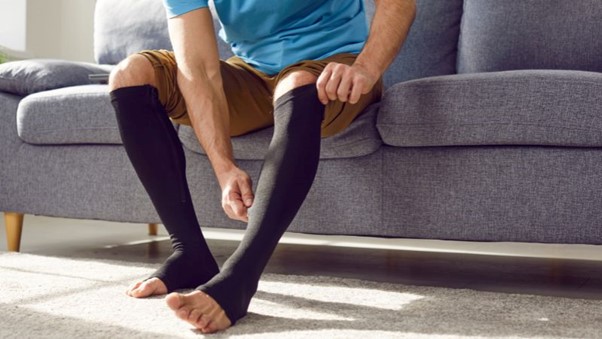
The best running socks for someone depend on their personal comfort, the weather, and the type of run they plan to do. Runners trying to decide between the two types should consider what feels best during their training. Some people may like the extra padding of thicker socks, while others prefer the light feel of thinner options. There’s no single answer that works for everyone.
This simple decision could make the difference between a comfortable, and that is why we, Sinoknit, are here to offer you some advice on choosing the right socks.
Understanding Running Socks
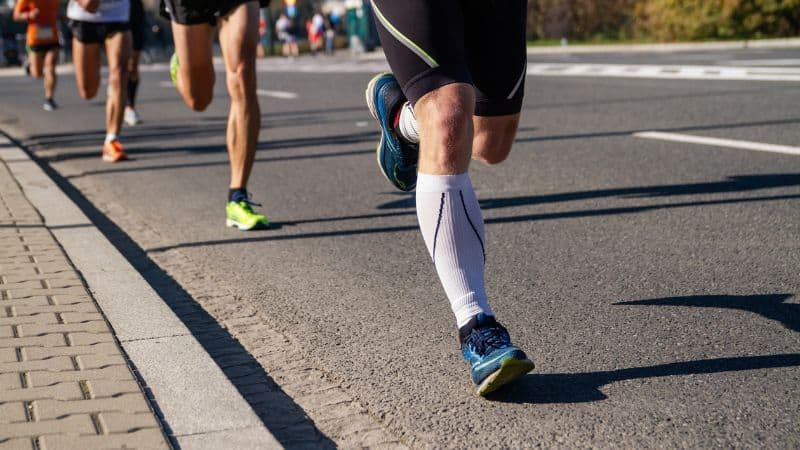
Choosing the right socks for running plays a key role in comfort and injury prevention. Factors like design, thickness, and material decide how well socks perform and how they feel on the run.
What Sets Running Socks Apart
Running socks are built with features that regular socks often lack. Most have reinforced heels and toes for extra durability. This helps reduce wear from repetitive impact and movement.
Many running socks use seamless or flat seams to prevent irritation. Blisters are less likely to form when seams don’t rub against the skin. A snug, contoured shape keeps socks from bunching or sliding down while running. Some also have ventilation zones and arch support, which ensure that the socks are breathable unlike cotton socks.
The Role of Thickness in Performance
Thickness impacts how a sock feels and functions inside a shoe. Thick socks have more padding, which provides better shock absorption and a softer step. This can help in long runs or when running on rough ground.
Thin socks are lighter and allow better airflow. They are less likely to make shoes feel tight and may suit hot weather or runners who prefer a more “barefoot” feel. Precision fit is easier to achieve with thinner materials, which some runners find improves their control and stability.
Why Material Matters
The material of running socks is a major factor in comfort and performance. Most running socks are made from synthetic blends, merino wool, or a mix. These materials pull moisture away, keeping feet dry and reducing the risk of blisters.
Merino wool stands out for its temperature regulation, odor resistance, and soft feel. It’s also good for both warm and cold weather. Synthetics such as polyester and nylon dry quickly and add durability, making socks last longer. In contrast, pure cotton holds sweat, which increases the chance for blisters and discomfort.
For runners, choosing socks with moisture-wicking fibers is key to keeping the feet comfortable in all conditions. High-quality fabric also maintains its shape, preventing sagging and bunching.
Thick Running Socks: Benefits and Considerations
Thick running socks are designed to provide added padding, warmth, and protection compared to their thinner counterparts. Choosing thick socks can influence comfort, foot health, and performance, especially in certain running conditions.
Cushioning and Impact Protection
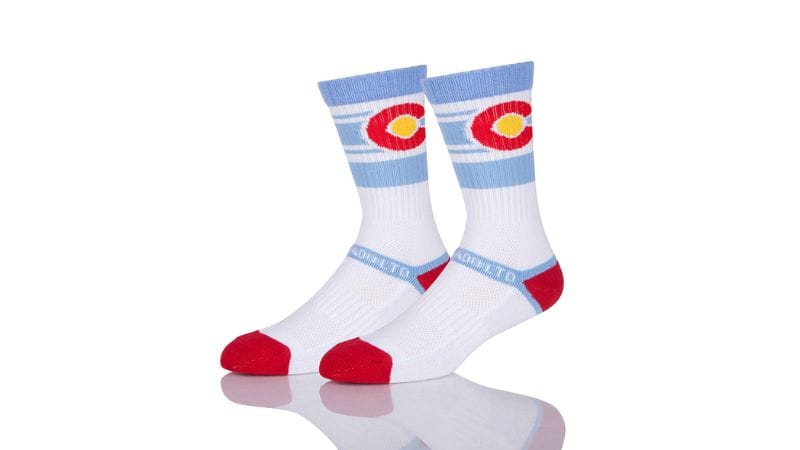
Thick running socks offer more cushioning than thin options. This padding is especially noticeable in high-impact areas like the heel and ball of the foot. Runners who spend long periods on asphalt or rough trails may appreciate this extra layer, which helps absorb shock with every stride, reducing the stress that running puts on joints.
Cushioned socks can be helpful when running on hard surfaces or uneven terrain. The padding creates a more comfortable barrier between the feet and shoes, which may help with overall comfort and lessen discomfort on long runs.
Blister Prevention Advantages
One of the main reasons runners pick thick socks is to help prevent blisters. The extra fabric reduces friction between the foot and the shoe, which is a common cause of blisters. For runners with sensitive skin, this padding can help avoid hot spots that turn into blisters after miles on the road or trail. On rainy days or in wet conditions, thick socks can also help manage the moisture and reduce the chance of blisters caused by wet shoes.
Durability and Insulation
Thick running socks are often more durable than thinner options. The added material makes them resistant to holes, tearing, and general wear and tear. This can be helpful for runners who log a lot of miles or run on rough terrain.
Benefits:
- Longer lifespan due to reinforced fibers
- Less likely to develop holes on high-stress points
- Saves money over time with less frequent replacements
Durability also means better performance in different environments. Thick socks offer greater insulation, making them a popular choice for winter running or cold climates.
Runners should balance insulation with breathability to avoid sweaty or overheated feet. Some thick running socks use materials like merino wool, which help regulate temperature and wick away moisture even in bulkier designs.

Thin Running Socks: Benefits and Considerations
Thin running socks give runners a light, barely-there feel on their feet. They offer less bulk inside the shoe and can help runners stay cool, dry, and comfortable, especially in warm weather or during intense workouts.
Lightweight Comfort and Breathability
Thin running socks are known for their lightweight design. This makes them a popular choice for runners who want to minimize weight and maximize ease of movement.
Because these socks are thin, more air can circulate around the foot. Mesh panels are often used in the top or sides of the sock, increasing airflow even more. This feature helps prevent heat from building up, making thin socks a smart option for summer runs or speed workouts.
Thin socks reduce that “stuffed” feeling inside snug shoes. This can help prevent toe crowding and pressure, especially for runners with wider feet or those using shoes with a tight fit. Some runners also report that thin socks give them a better “ground feel” while running, which means they can sense changes in terrain more quickly.
Quick Drying for Sweaty Feet
One of the practical advantages of thin running socks is how quickly they dry. The thin fabric allows sweat to evaporate quickly, so socks dry out much faster after a workout or after getting wet.
For runners who train in hot or humid weather, this quick-dry feature is especially important. Wet feet can lead to problems such as chafing, odors, and fungal infections. Thin socks help keep these issues under control by staying as dry as possible throughout a run.
Minimal Cushion for a Snug Fit
Thin running socks have little to no padding. This means they provide a close fit and don’t take up much space inside the shoe. This feature appeals to runners looking for a “locked-in” feel, as it allows the shoe to fit more precisely around the foot.
This can lead to better control and stability, especially during fast runs, sprints, or agility workouts. With less material between the foot and the shoe, movements may feel more direct and natural.
Frequently Asked Questions
Are thick running socks better for long-distance running?
Thick running socks can provide extra cushioning and shock absorption, which may help reduce foot fatigue during long-distance runs. However, the best choice depends on personal comfort, shoe fit, and weather conditions.
Do thin running socks prevent blisters?
Thin running socks made from moisture-wicking materials can help keep feet dry and reduce friction, lowering the risk of blisters. However, proper fit and seam construction also play a key role in blister prevention.
Should I wear different socks for trail running vs. road running?
Trail running often benefits from thicker or reinforced socks for added protection against rough terrain, while road runners may prefer thinner socks for breathability and a lighter feel. The right choice depends on comfort and running conditions.