Most people have a messy sock drawer and still feel like they never have enough clean pairs. The good news is that you can discover how many pairs of socks you really need with a simple approach based on your routine, laundry schedule, and lifestyle.
Below is a clear, easy-to-use guide to building a perfect sock collection that’s practical, comfortable, and good for your feet.
How Many Pairs of Socks Do I Really Need?
The right number of socks mainly depends on:
- How often you wash your clothes
- How active you are
- How many different types of socks you actually use
Most people do well with:
- 10–20 pairs of socks total
If you do laundry once a week:
Aim for about:
- 8–16 pairs of socks for daily wear (mostly casual socks)
- 3–4 pairs of athletic or specialized socks
- 2–3 pairs of dress socks for work and special occasions
That usually fits inside 10–20 pairs of socks and leaves you with enough clean pairs for 7 days, plus wear plus a few extras.
If you do laundry every two weeks:
- Aim for 14–20 pairs total so you always have enough socks.
- This works well if you don’t want to think about socks often but still want clean socks every day.
Best Sock Types for Everyday Activities
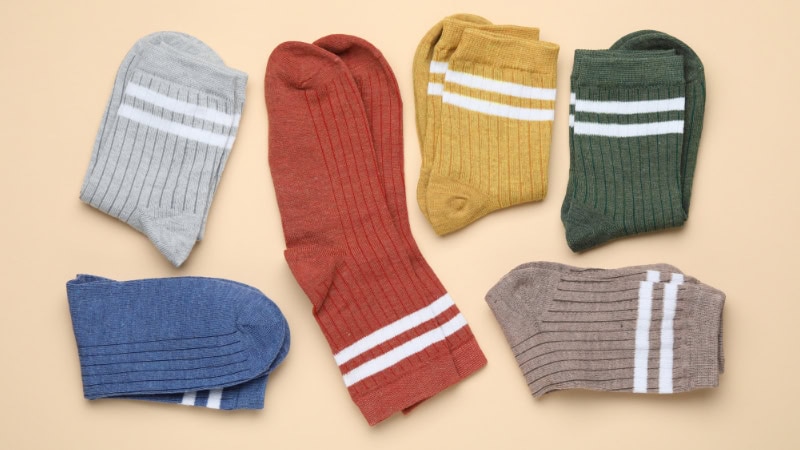
A well-rounded sock collection includes a few key categories that cover most of your life. Choosing the right type of sock improves overall foot health, comfort, and how long your socks last.
Casual Socks
Casual socks are the everyday workhorses for casual wear, errands, and relaxed workplaces.
- Ideal count: 8–16 pairs of casual socks, depending on laundry habits
- These are the pairs of socks you need for most daily wear
- Look for:
- Soft but moisture-wicking fabric to keep feet dry
- Medium thickness that fits easily with sneakers or casual shoes
- Colors that are easy for matching socks (black, white, gray, navy)
Since you’ll wear socks from this group almost every day, choosing high-quality socks here is worth it. Even if you own fewer pairs, good materials can last longer and feel more comfortable.
Athletic Socks
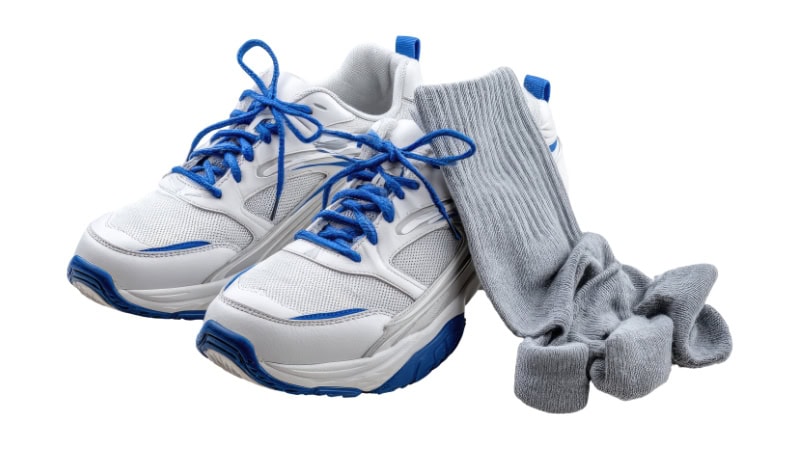
Athletic socks are designed for movement and an active lifestyle.
- Ideal count: 3–6 pairs of athletic socks
- Great for:
- Running, gym sessions, and sports
- Long walks or standing all day
Look for athletic socks that:
- Use moisture-wicking materials
- Have cushioning and arch support
- Stay in place to prevent blisters
These socks offer better comfort and performance than normal casual socks during workouts. Keeping them separate in your sock drawer ensures you always grab the right sock when you’re active.
Dress Socks
Dress socks are for formal wear, offices, and events that require dress shoes.
- Ideal count: 3–4 pairs of dress socks
- If you rarely dress up, two pairs (black and dark navy/gray) may be enough
Good dress socks:
- Are thinner, so they fit easily inside tighter shoes
- Come in classic colors that match suits and trousers
- Stay up on your leg and feel smooth even when you wear socks all day
Having just a few quality socks in this category ensures your wardrobe is ready for special occasions without needing many socks you almost never use.
Extra Socks for Special Situations
In addition to your main categories, some specialized pairs are useful for certain weather, activities, or health needs. These aren’t for daily wear, but they complete a perfect sock collection.
Wool Socks
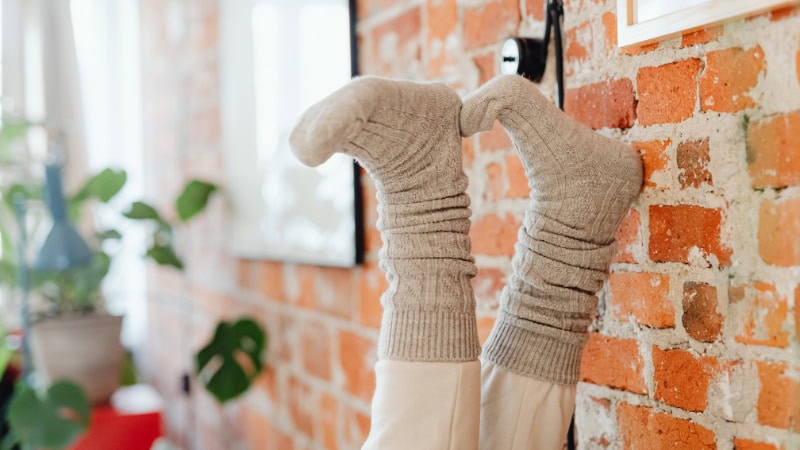
Wool socks, especially those made with merino wool, are ideal when you need warmth and durability.
Good for:
- Cold weather
- Hiking and outdoor activities
- Long days on your feet
What wool socks offer:
- They keep feet dry and warm while still breathing
- Merino wool resists odor and can last longer than cheap cotton
- They support better foot hygiene on long or active days
Having 2–4 pairs of wool socks (or socks made like merino wool) can make your sock choices flexible for winter or travel.
Trampoline Socks

Trampoline socks are a very specific type of sock with grips on the bottom.
Used at:
-
- Trampoline parks
- Some indoor play centers and gyms
Many of these places require this specialized sock for safety and hygiene. Keeping one or two pairs in your sock collection means you won’t be forced to buy new ones each visit. It’s a small but useful part of a complete sock drawer if you or your family go often.
Grip Socks
Grip socks have textured or rubberized soles that help prevent slipping.
Ideal for:
-
- Yoga or Pilates
- Hospital stays or recovery
- Moving around the house on smooth floors
Adding two pairs of grip socks can be very helpful for kids, older adults, or anyone who needs extra stability. These specialized socks can improve safety without needing many socks you rarely use.
Compression Socks
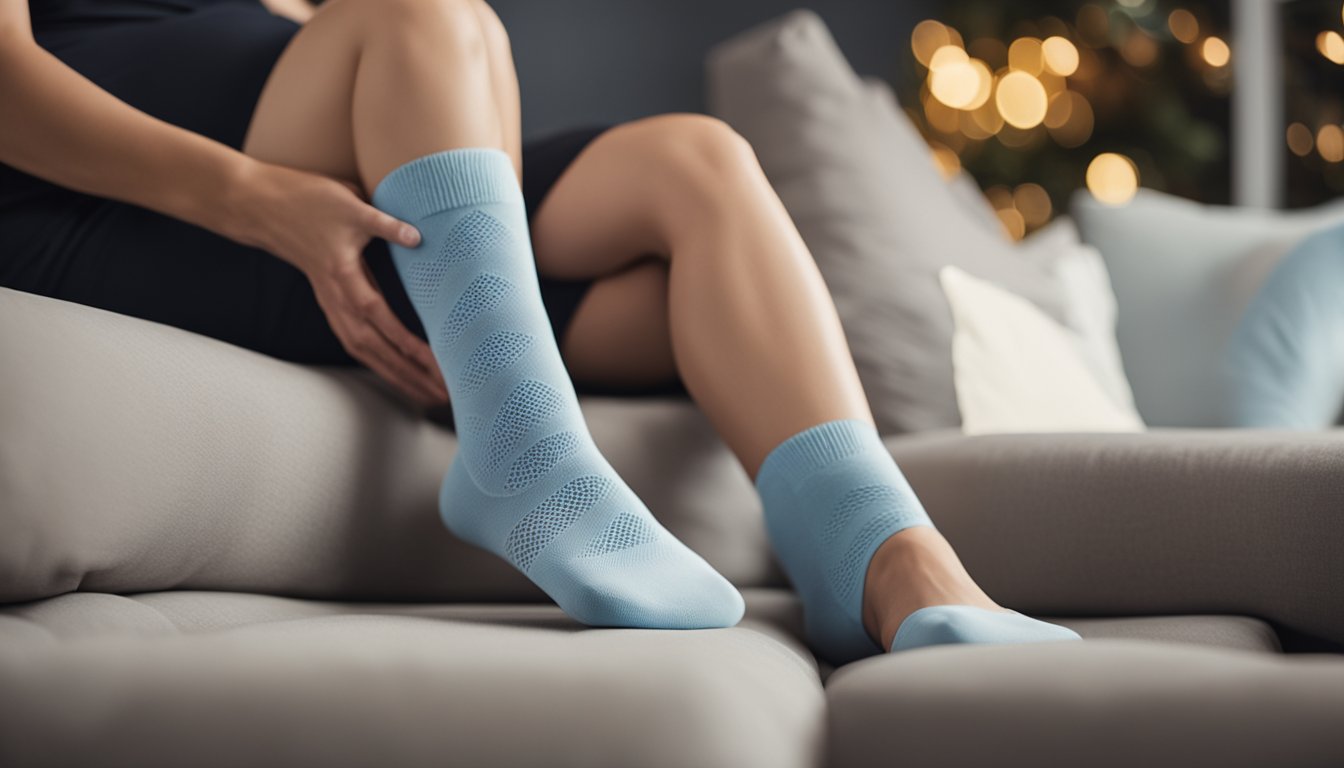
Compression socks gently squeeze your legs to support circulation.
Helpful if you:
-
- Sit or stand for long hours
- Travel frequently (especially long flights)
- Have specific circulation or swelling issues
They’re not an everyday need for everyone, but 2–3 pairs might be ideal if you travel often or have specific needs. These count as specialized pairs that support overall foot health and comfort.
Sock Strategy: Quality vs. Quantity
When determining your sock needs, it’s tempting to just buy many cheap pairs. However, a better strategy is:
- Fewer pairs, better quality.
Why quality socks matter
High-quality socks can:
- Last longer, so you don’t need to replace your socks as often
- Fit better, with the right sock thickness for each shoe
- Improve comfort and reduce blisters, helping overall foot health
Materials such as cotton blends, performance synthetics, and merino wool often perform better than thin, low-quality socks.
How Often Should You Replace Your Socks?
Even the perfect sock doesn’t last forever. You’ll know it’s time for new socks when you see:
Common signs of wear
- Holes or thinning fabric at the heel or toe
- Stretched-out elastic that slides down your leg
- Rough, scratchy texture that wasn’t there before
- Persistent odor even when you wash socks regularly
When a pair of socks hits this stage, it’s no longer doing its job well.
General replacement rhythm
How often you replace your socks depends on:
- How often you wear that pair
- How you wash and dry them
- How well the socks are made
As a rough guide:
- Socks worn at least once a week may need replacing every 6–12 months
- Better materials (like merino wool or quality blends) can last longer, especially if you avoid very hot drying and harsh washing
A simple habit: if a pair looks worn when you put it on, set it aside immediately so it doesn’t go back into your regular sock collection.
Frequently Asked Questions
What’s the ideal number of socks for most people?
For most adults, the ideal number of socks is around 10–20 pairs of socks. This usually includes 8–16 pairs of socks for daily and casual use, plus a few specialized pairs like athletic and dress socks.
Are seven pairs enough?
Seven pairs (one for each day) can work if you do laundry perfectly on schedule and never need an extra pair. But in real life, travel, workouts, or bad weather happen. For most people, at least ten pairs is more realistic and reduces stress.
Do I really need different types of socks?
Yes, a well-rounded sock collection includes casual socks, athletic socks, dress socks, and a few specialized socks like wool or compression socks. Different types of socks are better for different shoes, activities, and weather.