

Indoor Trampoline parks have exploded in popularity, offering a thrilling way to exercise, celebrate birthdays, and let loose.
But with great bounce comes great responsibility. While these parks are designed for fun, they are not without risk. This guide will walk you through everything you need to know, from preparation to park rules, so you can focus on having a safe, fantastic time.
Understanding the Risks of Trampoline Parks
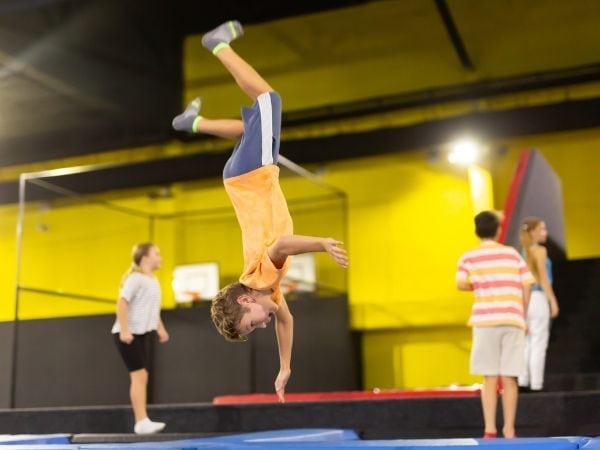
It’s important to start with a simple truth: trampolining is an activity with inherent risks, just like cycling or skating. When many people are bouncing in a shared space, the chance for collisions, awkward landings, and overexertion increases. Common injuries can include sprained ankles, wrist fractures, and more seriously, neck or back strains.
There are several causes of these injuries: multiple people on one trampoline, attempting flips or tricks beyond one’s skill level, landing incorrectly, or colliding with another jumper.
This isn’t meant to scare you away, but to highlight why the rules you’ll see at the park exist. They are there for a very good reason—to protect you.
Preparations to Be Made Before You Go
A safe trampoline park experience starts long before you take your first jump. A little preparation makes all the difference.
Choose a Reputable Park
Look online for reviews that specifically mention cleanliness, equipment maintenance, and attentive staff. A good park will proudly follow standards set by organizations like ASTM International. Don’t hesitate to call and ask about their safety protocols and staff training.
Dress Properly

This means comfortable, fitted clothing. Avoid any baggy tops or pants with strings or buckles that could get tangled. Always remove Jewelry, watches, and keys. Also, empty your pockets. Now, let’s talk about a very important item: trampoline socks.
Why are these special socks so emphasized? Regular socks are slippery and can lead to losing footing. Trampoline socks are specifically designed for trampoline mats. The soles of these socks have rubberized grips that provide traction and prevent slipping. You can think of them as safety shoes for bouncing. Most parks sell them at the front desk, and some parks also allow you to bring your own trampoline socks. Remember, never jump without grip socks!
The Essential Waiver
Before you or your children can jump, every trampoline park will require you to sign a liability waiver. This is a mandatory legal document. Here’s what you need to know about it:
- It’s Non-Negotiable: No waiver, no jumping. This applies to every participant, and a parent or legal guardian must sign for minors.
- Read It, Don’t Just Sign It: The waiver clearly outlines the inherent risks of trampolining. By signing, you are acknowledging that you understand these risks and agree not to hold the park legally responsible for injuries that occur as a result of those inherent risks.
- What It Protects: The waiver is designed to protect the business from lawsuits in cases of accidents that are not due to their negligence. It does not absolve the park of responsibility if an injury is caused by their failure to maintain safe equipment or enforce safety rules.
- Digital is Standard: Most parks use quick, digital kiosks or online portals to complete waivers. You can often fill them out at home on the park’s website before your visit to save time at check-in.
Safety Rules for All Jumpers
Once you’re in the park, the rules are your best friend. Always follow the rules to the letter.
- One Jumper Per Trampoline: This is often the most important rule. Sharing a trampoline mat dramatically increases the risk of collision, especially the dangerous “double bounce” where one person’s jump launches the other unpredictably high.
- Jump in the Center: Always aim for the middle of the trampoline bed. Avoid jumping directly on the padded springs or frames at the edges.
- Look Before You Leap: Always glance around before you start jumping or cross from one trampoline to another. Be aware of other jumpers around you to avoid mid-air crashes.
- No Flips or Tricks Unless Trained: It can be tempting to try a somersault, but without proper training, landing on your head or neck can cause serious injury.
- Control Your Bounce: Jump within your ability. Don’t bounce higher than you feel comfortable controlling, and never intentionally bounce someone else.
- Take Breaks: Fatigue leads to loss of control and poor judgment. Drink water and rest regularly, especially for children.
Safety Guidelines for Guardians
Parents or guardians, your role is critical. “Active supervision” doesn’t just mean being in the building. It means:
- Watching attentively: Stay off your phone and position yourself where you can see your child.
- Enforcing the rules: Explain the rules to your kids before they start and gently correct them if they forget.
- Matching kids to the right area: Use toddler zones for little ones. Don’t let young children jump in advanced areas where bigger kids are bouncing.
- Setting time limits: Kids often don’t know when they’re tired. A 60-90 minute session is usually plenty to prevent exhaustion-related accidents.
Special Area Guidelines
Different attractions have specific rules:
- Foam Pits: Always enter feet-first or seat-first. Never dive or go in headfirst. Swim or crawl to the edge to get out; don’t try to stand in the deep, unstable cubes.
- Dodgeball: Play fair, avoid aggressive throws, and never hang on the basketball rim.
- Obstacle Courses: Wait your turn until the person ahead is completely clear of the obstacle. Use the equipment as intended.
Do Trampoline Parks Have Weight Limits?
Yes, this is a vital safety measure. Limits are in place for two main reasons:
- Equipment Integrity: Trampolines are engineered to withstand forces up to a certain point. Exceeding this can stress the springs and mat.
- User Safety: Heavier jumpers can generate a much stronger “double bounce” effect on adjacent trampolines, which can be dangerous for lighter jumpers nearby.
Weight limits vary by park and sometimes by attraction (e.g., a performance trampoline might have a different limit than the main court). Generally, the weight limit falls within the range of 250 to 300 pounds. These limits are not judgments but essential engineering and safety standards. Always respect them.
Frequently Asked Questions
Can adults go to trampoline parks?
Absolutely! Trampoline parks are for everyone. Many parks even host special “adult-only” jump times or fitness classes. Adults should follow all the same safety guidelines, be mindful of their fitness level, and remember to warm up to avoid pulling a muscle.
Do trampoline parks have weight restrictions?
Yes, virtually all commercial trampoline parks enforce a maximum weight restriction. This is a critical safety standard, not a guideline. The limit is set by the equipment manufacturers based on the engineering tolerances of the trampoline beds, springs, and frames. Exceeding it can damage the equipment and create a serious safety hazard for the jumper and others.
Can a 300lb person jump on a trampoline?
This depends entirely on the specific trampoline’s weight limit.
- At a Trampoline Park: A person weighing 300 lbs must check the park’s posted maximum weight limit. Many parks have limits at or below 300 lbs.
- On a Home Trampoline: You must consult the owner’s manual for that specific model. Weight limits for high-quality, large home trampolines can sometimes accommodate 300 lbs or more, but this is not universal.
Is rebounding good for obese people?
Rebounding (low-impact jumping on a mini-trampoline) can be an excellent form of exercise for obese individuals, but it must be approached with caution and medical guidance.
Conclusion
Trampoline parks offer a unique blend of exhilarating fun and great exercise. By choosing a reputable park, preparing properly with the right gear like grip socks, and following the simple, logical rules designed for everyone’s safety, you can minimize the risks and maximize the joy!