Crew socks and boot socks are both common types of socks found on the market, and it is important to choose the right style depending on your shoes, how much coverage you want, and what you find comfortable. Knowing which sock works best saves time and helps avoid sore feet or slipping socks. With a few key tips, it is easy to decide which type is best for any occasion.
Crew Socks vs Boot Socks: Key Differences
Crew socks and boot socks have major differences in how they fit, what they are made for, and the level of comfort they offer. These factors help people choose the best sock for their needs.
Length and Coverage
Crew socks, usually go up to the middle of the calf. They are about 6–8 inches above the heel, the length of which covers the ankle and part of the lower leg.
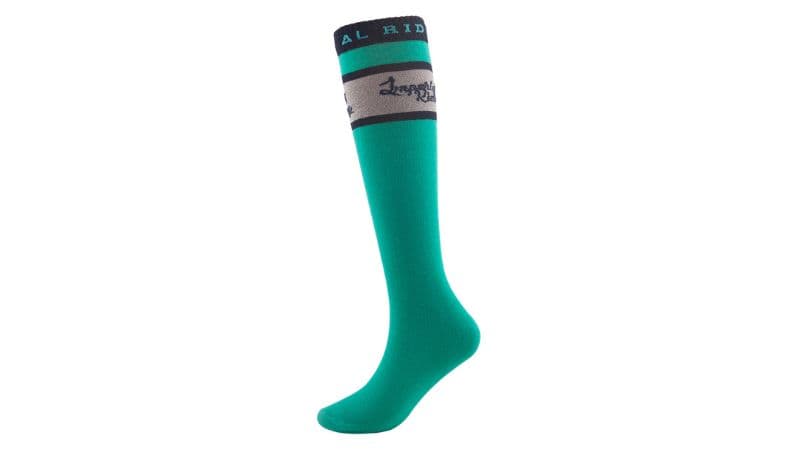
Boot socks, sometimes referred to as high socks or knee high socks, are generally longer. They cover more of the calf and sometimes extend up to the knees. Some boot socks measure 10–14 inches or more from the heel.
A longer sock gives more warmth and protection. The extra length on boot socks helps prevent rubbing from boots and keeps dirt out.
Intended Use
Crew socks work best for daily wear, especially with sneakers or dress shoes. People use them for walking, work, and everyday activities.
Boot socks are designed to handle heavier-duty tasks. They are best for use with work boots, hiking boots, or winter boots. Their extra padding and thickness protect the feet during long hours of work or while hiking.
Boot socks often use thicker fabric and may have added moisture-wicking features. This helps keep feet dry and safe inside heavy footwear.
Fit and Comfort
Comfort depends on how the sock fits and the materials used. Crew socks are often lighter and made with blends of cotton, polyester, or nylon. They are usually less bulky, making them feel cooler in warm weather or indoors.
Boot socks fit more snugly and may have extra cushioning at the heel and toe. This padding protects the feet from blisters and pressure. Many boot socks use wool or synthetic fibers for added warmth and softness.
Some boot socks have ribbed cuffs or elastic bands to keep them from sliding down. The fit of boot socks must be firm so they do not bunch up inside boots. A proper fit can prevent discomfort during long periods of wear.
Materials and Composition
Crew and boot socks are made from different materials and use various methods to improve comfort, fit, and durability. The choice of fabric and level of reinforcement can change how a sock feels and performs during use.
Common Fabric Types
Most crew and boot socks use a mix of natural and synthetic fibers. Cotton is common for crew socks because it is soft and breathable. Crew socks meant for casual wear often have a high cotton content.
Wool, especially merino wool, is popular for boot socks. Wool can keep feet warm and wick away moisture, making it good for outdoor activities and work boots.
Synthetic fibers like polyester, nylon, and spandex are often blended into both types. They add stretch, help wick sweat, and dry faster than cotton or wool. Wool blends often include nylon for extra strength.
Reinforcement and Cushioning
Reinforcement is important for making socks last longer. Crew socks designed for daily use may have light reinforcement, while boot socks usually have heavy reinforcement for rough conditions.
Cushioning adds comfort, especially during long periods of standing or walking. Boot socks often have thick padding in the sole and around the heel, which helps reduce fatigue. Crew socks may have less cushioning but enough for normal daily activities.
A tighter or double-layer knit in these zones can help prevent holes and extend the life of the sock. Boot socks are designed to handle heavy boots, while crew socks focus on all-around comfort.
Benefits of Crew Socks
Crew socks come with outstanding comfort and practicality. Many people choose them because they fit well and are useful in many daily situations.
Everyday Wear
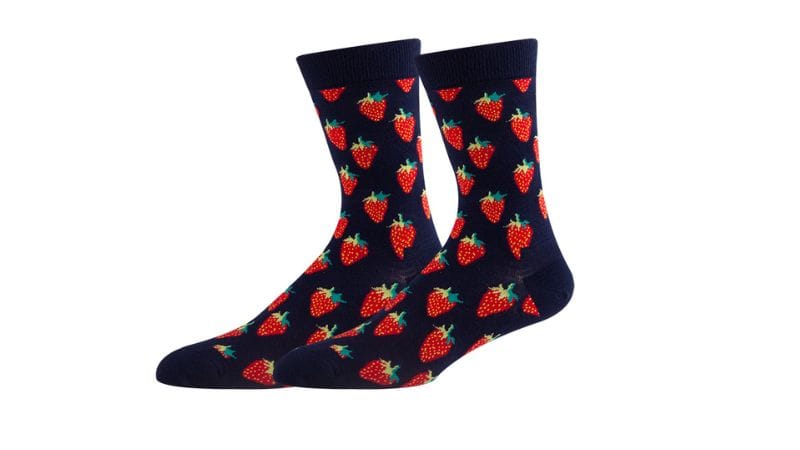
Crew socks work well for daily use because they are usually made with soft, breathable fabrics like cotton or blends. They reach just below the calf and stay in place because of a snug band at the top. This length helps protect ankles and lower legs from friction caused by shoes.
The footbed often has some padding, making them comfortable during long walks or while standing. Their fit works with most sneakers, loafers, and casual shoes, making them a frequent choice for school, work, or errands.
Versatility
Crew socks are suitable for many outfits and situations. They can be worn with both shorts and long pants, and come in lots of colors and patterns, which enable the wearers to match their socks to uniforms, work clothes, or casual styles.
In sports, crew socks provide enough coverage to protect the skin without being too warm. Many people choose them for gym class, light exercise, or even lounging at home. Because they are easy to put on and take off, they are a smart option for kids, teens, and adults.
Spotlight on uses:
- School uniforms
- Athletic activities
- Everyday outfits
- Light outdoor use
Benefits of Boot Socks
Boot socks are designed to meet the needs of people who wear boots for long periods. They focus on both comfort and safety in demanding settings.
Protection and Support
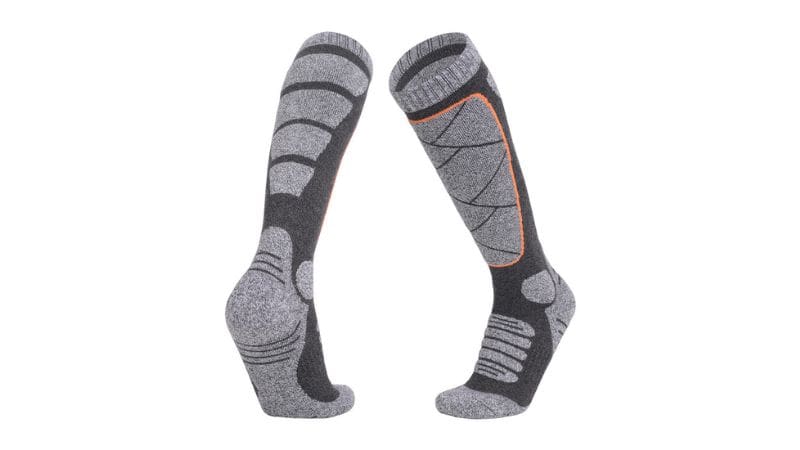
Boot socks are usually made with thicker, cushioned materials. This extra padding helps reduce friction between the foot and the boot. It lowers the risk of blisters and calluses.
Many boot socks have reinforced heels and toes. This helps them last longer and keeps feet safe in tough work situations. The fabric often includes arch support, which can lead to less foot fatigue during long hours on the job.
Extra height means more of the leg is covered. Boot socks protect from scratches, bites, and irritation caused by the inside of the boot or by debris. This extra layer can also help wick away sweat, keeping feet dry and healthy.
Outdoor and Work Applications
Boot socks are a key choice for hikers, construction workers, and anyone who spends a lot of time outdoors. Their design helps with temperature control and moisture management, which is important in harsh weather or muddy conditions.
Some boot socks are made with wool or synthetic blends to keep feet warm in cold conditions or vice versa. They are also often made to stay in place even when moving a lot, which greatly reduces discomfort and distraction.
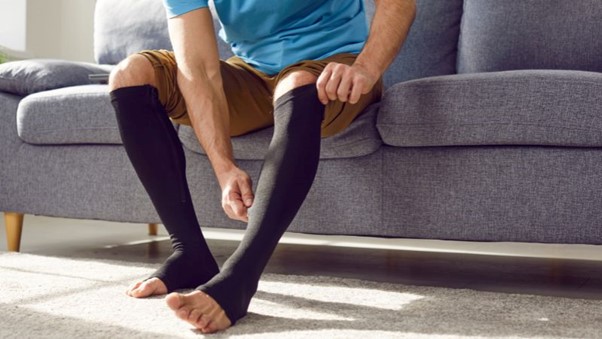
Certain pairs offer added features, such as compression socks for better blood flow or socks that received antimicrobial treatments to lower odor. These small details make a big difference for those whose jobs or hobbies require long-term boot use.
Key features of boot socks for outdoor and work use:
- Moisture-wicking fabric
- Durable reinforcement
- Secure fit
- Temperature control
- Odor resistance
Choosing the Right Sock for Your Needs
The choice between crew socks and boot socks depends on the weather and the shoes or boots a person wears. Each type of sock offers certain features that match different conditions and activities.
Seasonal Considerations
Sock thickness and material are important for different seasons. Boot socks are often thicker and made from wool or other insulating materials. These socks can be worn in cold weather, especially in winter.
Crew socks use lighter fabrics like cotton or blends. These choices allow better breathability, which is better for warmer seasons such as spring and summer. Lighter socks reduce sweating and keep feet cooler.
In the rainy season, wool boot socks can help keep feet dry since they wick moisture. In hot, dry months, thin crew socks feel less bulky inside shoes and let heat escape faster.
Footwear Compatibility
Different socks fit best with certain shoes and boots. Boot socks are longer and thicker, so they work best with work boots, hiking boots, and rubber boots. They often cover higher up the calf, offering protection from chafing and rubbing.
Crew socks are shorter, usually ending below the calf. They fit better with sneakers, casual shoes, and low-cut boots. Because they are lighter and less bulky, they don’t crowd tight shoes.
People who wear steel-toe or heavy-duty boots may want the padding from boot socks. For office or school shoes, crew socks are often more suitable due to their casual and less intrusive fit. Choosing the right match can prevent blisters and improve all-day comfort.
Frequently Asked Questions
How do crew socks vary in fit and function compared to quarter socks?
Crew socks reach about mid-calf, while quarter socks or ankle socks rise just above the ankle.
Crew socks give more coverage and protection, while quarter socks are better for warmer weather or lower shoes, since they feel lighter and less bulky.
Can you explain the difference in length between micro crew and standard crew socks?
Micro crew socks usually stop a bit above the ankle but below the middle of the calf.
Standard crew socks are longer, rising to around the middle of the calf. Micro crew socks work well with hiking shoes and low boots, while standard crew socks fit best with taller boots.
How do over the calf socks compare to crew socks in terms of support and coverage?
Over the calf socks go up to just below the knee, offering more leg coverage than crew socks.
They provide extra support and warmth, making them good for cold weather or formal boots. Crew socks cover less of the leg but are more breathable, which some people prefer for daily wear.