That sharp sting on your heel or a hot, tender spot on your toe—a blister is more than a small annoyance. It can stop a hike in its tracks, ruin a good run, and turn a long day on your feet into a painful struggle.
While most people blame their shoes, the secret weapon in the fight against blisters is often overlooked: your socks. The right pair of socks is your first and most critical line of defense.
This guide will walk you through why blisters form, what features to look for in anti-blister socks, and our top picks for every activity, so you can step forward in comfort and confidence.
Why Do Blisters Form?
To defeat the blister, you must first understand it. The formula is simple: Blisters = Friction + Moisture.
- Friction: Every time you take a step, your foot moves slightly inside your shoe. This repetitive rubbing creates shear forces that separate the layers of your skin. The body responds to this damage by pumping fluid into the space, creating a protective, painful bubble—the blister.
- Moisture: When your feet sweat, the moisture softens your skin, making it more vulnerable to damage. Furthermore, a damp environment significantly increases the coefficient of friction, meaning a wet sock will rub against your skin much more aggressively than a dry one.
The goal of a great anti-blister sock is to break this equation by managing moisture and minimizing friction at every point of contact.
What to Look for in Anti-Blister Socks
Not all socks are created equal. When shopping for blister prevention, focus on these five critical features.
Material is King
This is the most important factor. The material determines how the sock manages moisture, cushions your foot, and feels against your skin.
Avoid Cotton Socks: Cotton is a terrible choice for performance socks. It acts like a sponge, absorbing and holding moisture against your skin. This leads to macerated, “pruny” feet that are highly susceptible to blistering.
Embrace These Instead:
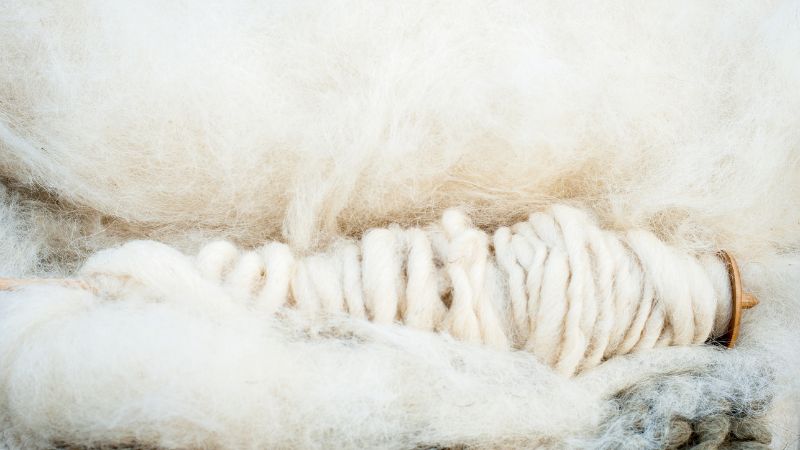
- Merino Wool Socks: The gold standard for hiking and outdoor activities. Contrary to popular belief, modern Merino wool socks are not itchy or heavy. They are naturally moisture-wicking, temperature-regulating, and possess anti-odor properties, meaning you can wear them for days on the trail.
- Nylon & Polyester Socks: These synthetic materials are the workhorses of the performance sock world. These socks are incredibly durable, excellent at pulling sweat away from the skin, and quick-drying. They often form the base of many top-tier running and athletic socks.
- Proprietary Blends: Look for branded fabrics like SinoKnit, which are scientifically engineered to maximize moisture evaporation and keep your feet dry.
Seamless Toe Construction
A bulky, raised seam across your toes is a guaranteed friction point. On a long descent, a single seam can be the sole cause of a crippling blister.
- Look for: Seamless toe closures or flat, “hand-linked” seams. These lie completely flat against your skin, eliminating a major source of irritation and creating a smooth, uniform interior.
The Right Fit
A sock that doesn’t fit properly will create its own problems.
- Too Loose: Excess material will bunch up, creating folds and wrinkles that rub against your skin with every step.
- Too Tight: Overtight socks can restrict circulation and create new, unnatural pressure points.
- The Goldilocks Zone: Look for socks that offer a “compression” or “support” fit — snug and secure without feeling constrictive. They should hug your arch and ankle without sliding down.
Strategic Cushioning
Cushioning adds a protective layer that absorbs impact and reduces friction. However, more isn’t always better.
- Strategic Padding: The best socks feature targeted cushioning in high-impact zones like the heel, ball of the foot, and toe. This provides protection where you need it most without adding unnecessary bulk that can overheat your feet.
- Weight Considerations: Lightweight or no-cushion socks are great for running. A medium to heavy cushion is ideal for hiking, backpacking, and all-day wear.
Specialized Construction
For those who are highly blister-prone, specialized sock engineering can be a game-changer.
- Double-Layer Socks: These socks feature two independent layers woven together. The inner layer moves with your foot, while the outer layer moves with your shoe. The friction occurs between the layers, not against your skin.
- Anatomic (Left/Right) Design: Some high-performance socks are specifically knitted for the left and right foot. This provides a more precise fit that minimizes excess material and bunching.
Best Socks to Prevent Blisters for Every Activity
Your activity level determines your needs. Here are our top recommendations for every purpose.
For Hiking
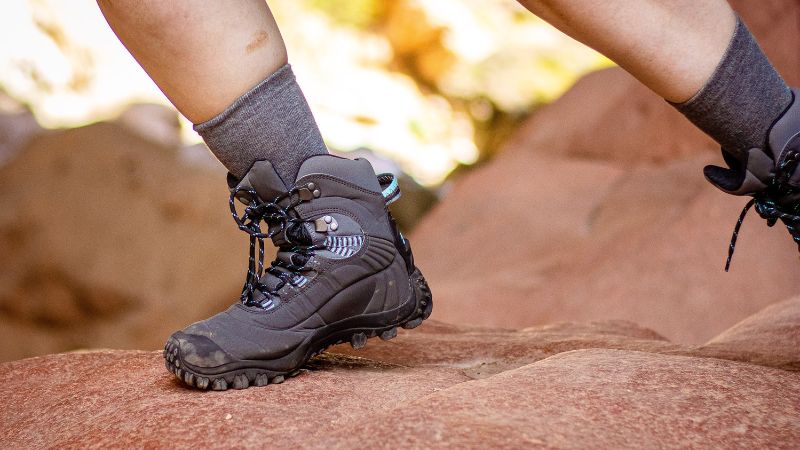
Durability, moisture control, and comfort over long miles are crucial.
Prioritize a medium-to-heavyweight sock constructed from a merino wool blend. Wool’s natural ability to regulate temperature and wick moisture, even when wet, is unparalleled. Look for socks with differential cushioning—heavier padding on the shins, heels, and balls of the feet, with thinner material over the instep and tendons. A tightly knitted arch brace and a seamless toe are indispensable.
For Running & Sports
Lightweight breathability and a secure, non-slip fit are key.
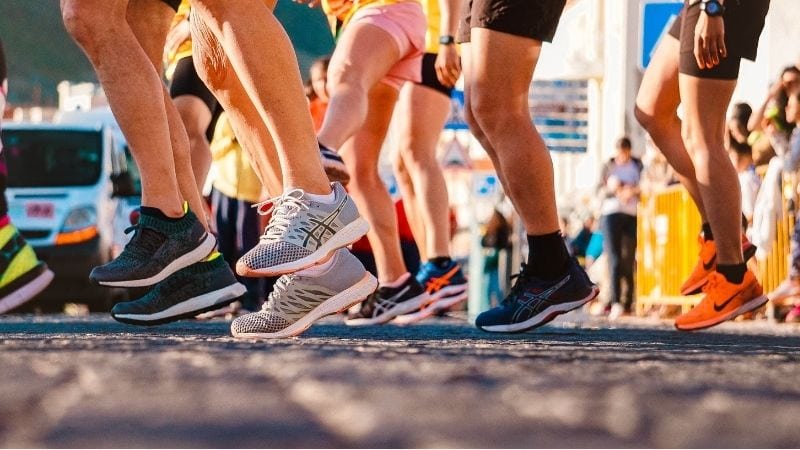
For runners and athletes, the best running socks are constructed from advanced synthetic blends. These fabrics feature a high nylon content for exceptional durability and include elastane for a secure, locked-in fit. The primary focus here is on moisture evacuation through advanced mesh knitting patterns over the entire foot, rather than just cushioning. Look for targeted ventilation zones on the top of the foot and around the ankle to maximize breathability.
For Entertainment
Comfort and all-day moisture control are essential.
This category includes everything from long days at a theme park to multi-day music festivals. The goal is all-day comfort and blister prevention during prolonged standing and walking. A lightweight crew sock with a terry loop interior provides a soft, plush feel that stands up to hours of pavement-pounding. The ideal blend for this is a bamboo fiber and synthetic fiber; bamboo is exceptionally soft, naturally moisture-wicking, and odor-resistant.
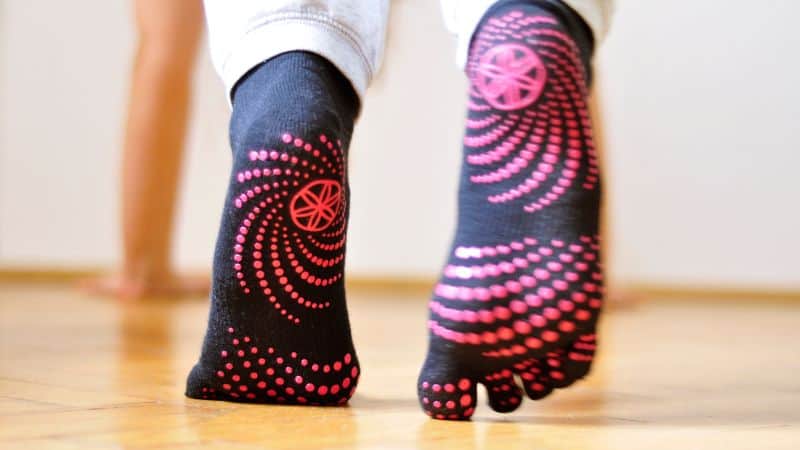
For specialized activities like visiting a trampoline park, look for non-slip or trampoline socks with grippy dots on the sole. These provide essential traction to prevent your foot from sliding on the trampoline surface, dramatically reducing friction-related blisters.
For Everyday Wear
Discreet comfort and all-day climate control are significant.
The best choice is a no-show or ankle sock with a heel grip to prevent it from slipping down into your shoe. Look for a hybrid material composition, such as pima cotton reinforced with synthetic microfibers. This offers the familiar softness of cotton with significantly improved moisture-wicking properties. The construction should be thin and minimize cushioning to fit smoothly inside casual shoes and loafers without adding bulk.
FAQs
I always get blisters in the same spot. What should I do?
This is a classic sign of a consistent friction point. First, ensure your shoes are the correct size—there should be a thumb’s width of space between your longest toe and the end of the shoe. Next, focus on socks with seamless toe construction if the blister is on your toes, or targeted cushioning if it’s on your heel or ball of your foot. For stubborn hotspots, you can also apply a preventative strip of athletic tape or a specialized blister plaster before you put your socks on.
Can I just wear two pairs of regular socks instead of buying anti-blister socks?
This is a common DIY solution, but it’s not recommended. Wearing two pairs of cotton or ill-fitting socks can actually increase your risk. The socks can bunch, wrinkle, and create even more friction points. Furthermore, they trap heat and moisture, making the blister-causing environment worse. A single, well-designed technical sock is always a better and more reliable choice.
How often should I change my socks during a long activity to prevent blisters?
As often as possible. On a long hike or run, a good rule of thumb is to change your socks at your midway point or any time you feel they are damp. Carry a spare pair (or two) in a plastic bag in your pack. Air out your feet for a few minutes during the change. This simple practice dramatically reduces moisture and resets the friction environment.
What’s the one feature I should never compromise on?
While all features are important, if you have to choose one, avoid cotton at all costs. The right material is the foundation of blister prevention. A synthetic blend or merino wool that wicks moisture is non-negotiable for any activity where you plan to be on your feet for more than a casual stroll.
Your Blister-Free Future Starts Now
Preventing blisters isn’t about luck; it’s about strategy. By choosing socks made from the right materials, with a flawless fit and intelligent construction, you can effectively break the cycle of friction and moisture that causes pain.
Investing in a few quality pairs of socks is one of the simplest and most effective upgrades you can make for your foot health. Ditch the cotton, find the right sock for your activity, and take the first step toward a blister-free life.