When you hear “wool,” you might think of itchy, scratchy sweaters that make your skin crawl. Most people assume all wool feels uncomfortable against the skin, but merino wool breaks that rule. It is generally not itchy for most people.
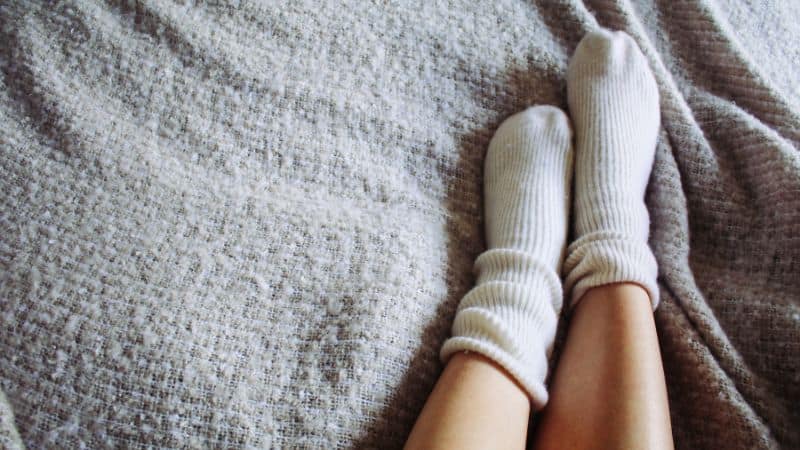
However, some people still experience itchiness with merino wool items. The reasons behind this vary from how the wool was made to your own skin type. Understanding what makes merino wool different and why some pieces might still feel uncomfortable will help you choose the right wool products for your needs.
What Is Merino Wool?
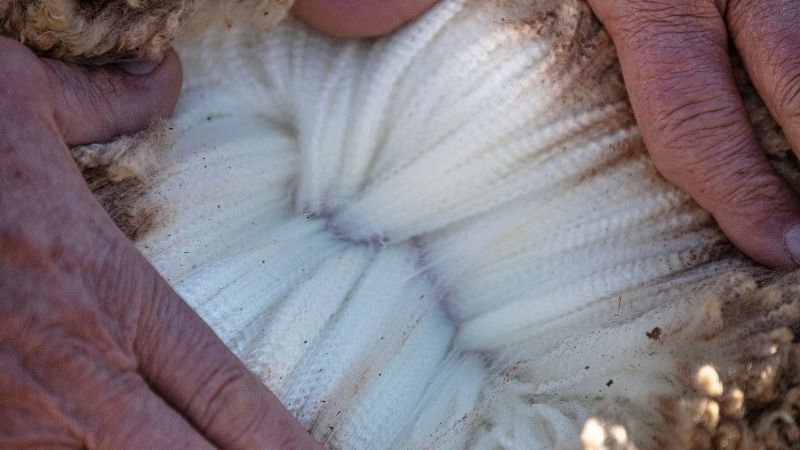
Merino wool, sourced from specially bred Merino sheep, which are primarily raised in Australia and New Zealand’s ideal climates, stands apart as the world’s finest type of wool. Unlike regular wool, its unique structure delivers exceptional comfort through three key attributes:
- Thinner fibers – Much smaller than regular wool fibers
- Shorter length – Creates a smoother feel
- Natural softness – Feels comfortable against your skin
While pricier due to limited yield (Merino sheep produce 50% less wool annually), this premium fiber dominates performance wear:
✓ Socks – Blister-free comfort for athletes
✓ Base Layers – Moisture control for alpine climbers
✓ Travel Gear – Odor-resistant for multi-day wear
Are Merino Wool Socks Itchy?
Merino wool socks are generally not itchy. This makes them different from regular wool socks that many people find scratchy and uncomfortable.
The key difference lies in the fiber thickness. Merino wool fibers are much thinner and softer compared to traditional wool fibers. Fiber thickness is measured in microns. Here’s how different wools compare:
| Wool Type | Fiber Thickness | Itch Level |
|---|---|---|
| Regular wool | 25+ microns | Often itchy |
| Merino wool | 11-24 microns | Usually comfortable |
| Superfine Merino | Under 18.5 microns | Softest |
Most people can wear Merino wool without any irritation. If you’ve avoided wool because of itchiness, merino wool socks offer a comfortable alternative worth trying.
However, you might still feel that some merino wool is itchy.
Possible Factors That May Cause Itchiness in Merino Wool
While merino wool socks are known for being soft and comfortable, some people still experience itchiness. In this session, we’ll examine potential causes of skin irritation associated with Merino wool socks.
Quality Differences
Even within merino wool socks, you may find variations in fiber diameter. Lower-grade merino wool might contain other materials mixed in. These added fibers could be coarser or treated with chemicals that irritate sensitive skin.
Processing and manufacturing methods affect its comfort level. Poor quality control can make even fine merino wool feel scratchy. Harsh chemicals or rough handling during manufacturing can damage the fibers. This makes them feel coarser against your skin.
Construction quality affects comfort, too. Poorly sewn seams, rough threads, or tight fits can rub against your skin. This creates chafing that feels like itchiness.
Cleaning also plays a big role. Merino wool socks that aren’t properly washed may still contain natural oils or dirt. These substances can cause skin irritation.
Wool Allergies
Some people have genuine allergies to wool proteins or natural substances found in wool fibers. This is different from the mechanical irritation caused by coarse fibers.
Lanolin sensitivity affects some individuals. Lanolin is the natural oil found in sheep’s wool. Even processed hypoallergenic merino wool socks may contain trace amounts.
Protein allergies to wool are rare but real. Your immune system reacts to specific proteins in the wool fibers themselves.
Contact dermatitis can develop from repeated exposure to wool. This causes redness, swelling, or rash on your skin.
People with sensitive skin or eczema may be more likely to react to wool products. If you experience persistent itching, redness, or other allergic reactions with all wool products, you might have a wool allergy. Consider getting tested by an allergist to confirm.
Benefits of Merino Wool Socks
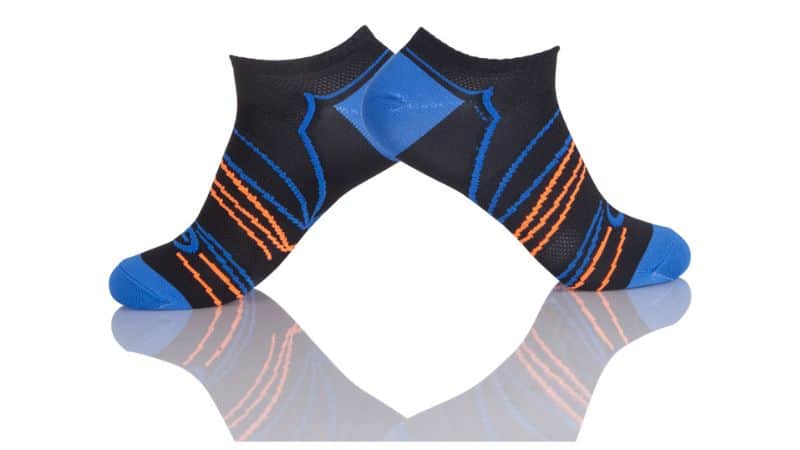
Merino wool socks offer several benefits that make them stand out from regular wool.
- Softness and Comfort: Merino wool socks feel soft against your skin. The fibers are much finer than regular wool, which makes them gentle and comfortable to wear.
- Moisture Management: These high-quality wool socks move sweat away from your body quickly. Those socks also dry fast, keeping you comfortable during activities or hot weather.
- Temperature Control: Merino wool socks keep you warm in cold weather and cool in warm weather. They adjust to help maintain your body temperature naturally.
- Odor Resistance: You can wear merino wool socks all day long without them smelling bad. The natural fibers fight bacteria that cause odors.
- Lightweight Feel: Warm yet never heavy, merino wool socks maintain a sleek, comfortable fit.
- Durability: Merino wool clothes last a long time with proper care. The fibers are strong and resist wear from regular use.
- Natural Material: Since it comes from sheep, merino wool is a natural choice. Many people prefer it over synthetic materials for this reason.
Maintenance Tips
Proper care for merino wool socks keeps them soft and comfortable. Wrong washing methods can make even the finest wool feel itchy.
Always wash in cold water. Heat makes wool fibers brittle and causes them to break. Broken fibers feel scratchy on your skin.
Choose the right detergent. Use wool-specific cleaners or gentle soap without harsh chemicals.
Use these washing methods to reduce itchiness:
- White vinegar soak – Add vinegar to cold water before washing
- Lanolin treatment – Soak in warm water with liquid lanolin after several washes
- Gentle brush – Use soft bristles with light strokes on the fabric
Avoid high-heat drying just as you would hot water. Dry flat instead of hanging. This prevents stretching and keeps the natural shape of the fibers.
Don’t forget to check the washing instructions! Regular care using these methods keeps merino wool socks feeling smooth and itch-free. The right maintenance makes a big difference in comfort.
Frequently Asked Questions
What makes Merino wool a preferred choice for cold weather?
Merino wool maintains its insulating properties even when wet, keeping you warm in harsh conditions. The fibers trap warm air close to your body while allowing moisture to escape. The material naturally regulates your body temperature by adapting to changing conditions. You won’t overheat when activity levels increase or cool down during rest periods.
Merino wool also resists odors naturally, making it ideal for extended outdoor activities in cold weather.
How does Merino wool compare to cashmere in terms of comfort?
High-quality merino wool feels similar to cashmere against your skin due to its fine fiber diameter. Both materials offer exceptional softness and comfort for sensitive skin. Merino wool provides better durability and moisture-wicking properties than cashmere. It maintains its shape and performance through regular wear and washing. Cashmere offers a slightly more luxurious feel but lacks the practical benefits that make merino wool suitable for active use.
What are the benefits of wearing Merino wool in the summertime?
Merino wool’s natural breathability keeps you cool by wicking moisture away from your skin. The fibers allow air to circulate while preventing overheating during warm-weather activities. The material’s UV protection properties shield your skin from harmful sun exposure. This makes merino wool ideal for hiking, camping, and other summer outdoor activities.