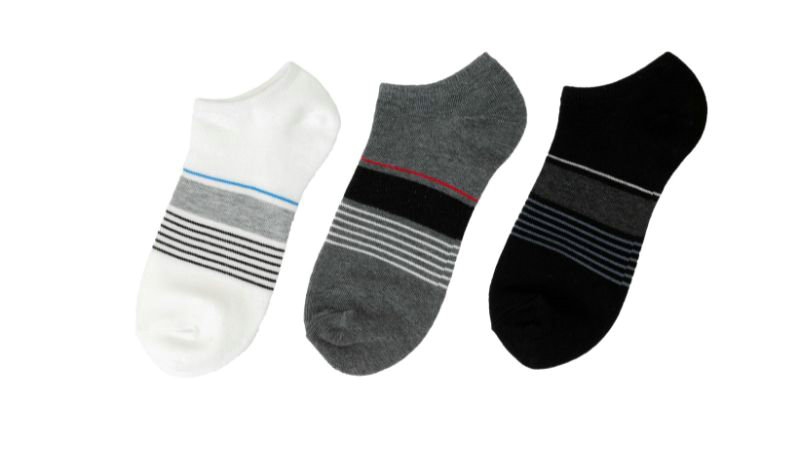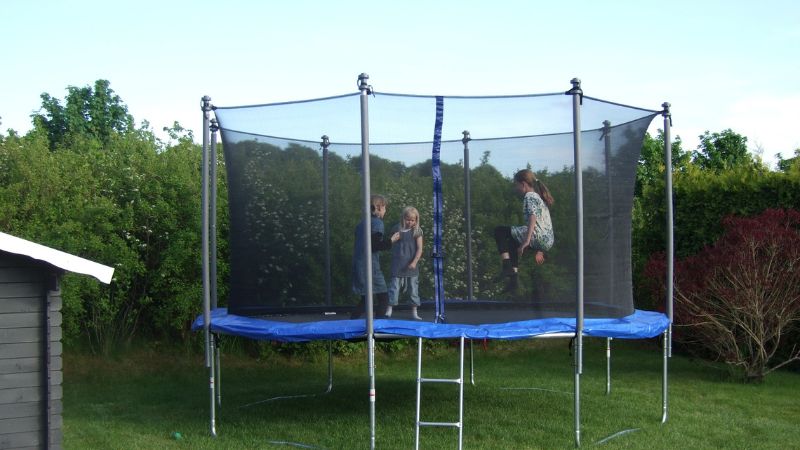
Grip socks are a game-changer for activities like yoga, barre, trampoline, or even just lounging at home. These specialized sticky socks provide the traction you need to prevent slipping and stay safe while you move. But over time, those once-sticky soles can lose their grip, leaving you feeling a bit unsteady. Fortunately, you don’t have to toss them out just yet.
Reviving your grip socks is easier than you might think. With a few simple techniques and household items, you can restore that essential stickiness and keep your feet firmly planted. Whether you’re a fitness enthusiast or just want to keep your cozy socks in top shape, this guide will show you how to make grip socks sticky again, ensuring you can enjoy every step with confidence.
Proper Cleaning
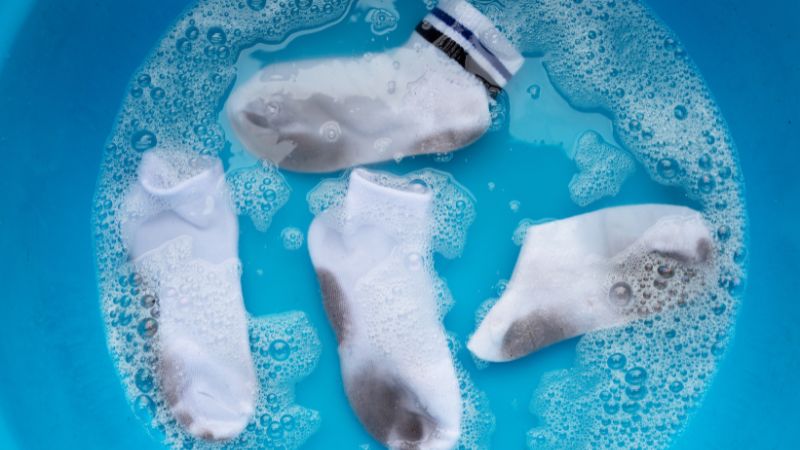
Often, the issue isn’t that the grips are permanently worn out, but that the surface is clogged with dirt, dust, lotions, and oils from your skin and the studio floor. Proper washing and care are the most effective and simplest ways to revive lost stickiness.
The Golden Rules of Washing Grip Socks:
- Hand Wash, Always: The absolute best way to clean grip socks is by hand. Machine washing, even on a gentle cycle, can be too abrasive. The constant agitation and spinning can cause the grip dots to peel, crack, or wear down prematurely.
- Use Cold Water and Mild Detergent: Use lukewarm or cold water. Hot water can degrade the synthetic materials used for the grips. Choose a mild detergent specifically designed for delicates. Harsh chemicals, bleach, and especially fabric softeners are the enemies of grip socks. Fabric softener works by depositing a thin, slippery layer on fabrics—exactly what you don’t want on the bottom of your socks.
- Scrub Gently: Turn the socks inside out. Using your hands or a very soft-bristled brush (an old toothbrush is perfect), gently scrub the grip areas to dislodge any embedded dirt and grime.
- Rinse Thoroughly: Ensure all soap residue is completely rinsed out. Any leftover detergent can leave a film that reduces grip.
These cleaning steps maintain the effectiveness of grip socks, helping you enjoy stability during your activities.
Air Dry Away from Heat
This step is non-negotiable and is just as critical as proper washing. Using a dryer is one of the quickest ways to ruin your socks. Never, under any circumstances, put your grip socks in the clothes dryer. The intense, direct heat is devastating to the synthetic grips, which are typically made from silicone or a similar polymer. The high temperatures can cause the grips to melt, become brittle, crack, or permanently lose their elasticity and tackiness.
The Right Way to Air Dry Your Socks:
- Lay Flat: After gently squeezing out excess water (do not wring them out, as this can distort their shape), lay the socks flat on a clean towel or a drying rack.
- Position: Ensure the grip dots are facing upward to allow for maximum air circulation.
- Location: Place them in a well-ventilated area away from direct sunlight, radiators, or any other direct source of heat. Room-temperature air drying is the safest and most effective method to preserve the integrity of the grips.
Avoid Overuse
The simplest way to prevent your grips from wearing out too quickly is to avoid overusing a single pair. The frequency of your workouts will determine how many pairs you need. If you attend classes frequently, invest in two or three pairs of grip socks and rotate them. This gives the elastic materials time to recover their shape and the grip dots time to “rest,” significantly extending the life of each pair. Think of it like rotating your shoes—it prevents any one pair from taking all the damage.
Inspect the condition of your grip socks regularly. If areas of the grip feel smooth or lacking traction, consider reducing their use or applying restorative techniques.
DIY Re-gripping Methods

If a good cleaning isn’t enough to bring back the stick, you can try these DIY methods to add a new layer of grip. Always test any of these solutions on a small, inconspicuous area of the sock (like the cuff) first to check for discoloration or damage.
Silicone-Based Sprays and Solutions
Specialized textile grip renewal sprays are commercially available and are designed specifically for this purpose. They typically contain a flexible silicone or rubber-based compound that dries to a tacky, non-slip finish.
How to use them:
- Ensure the socks are clean and completely dry.
- In a well-ventilated area, lay the socks flat with the grips facing up.
- Apply a thin, even coat of the spray to the grip areas, holding the can about 6-8 inches away.
- Allow them to dry fully before wearing the socks again.
Silicone-based sprays provide a convenient way to restore the grip without compromising the integrity of your socks, ensuring safety and confidence during your activities.
Use a Fabric Glue
A flexible fabric glue can be an excellent DIY solution for adding grip. Look for a clear-drying, washable glue designed for textiles.
How to use it:
- Clean and dry the socks thoroughly.
- Apply a very thin layer of fabric glue to the worn areas. You can use a small brush or the bottle’s nozzle to dab it on. The goal is not to create a solid sheet of glue, but to replicate the dotted pattern of the original grips.
- Allow the glue to dry completely for at least 24 hours, or as directed on the product label. Do not wear them until they are fully cured to avoid a messy situation and ensure the glue sets with maximum tackiness.
Using fabric glue offers a straightforward way to extend the life of your grip socks, maintaining their functionality for yoga, Pilates, or lounging.
Repair Worn Areas
Sometimes wear and tear is localized to high-friction areas like the ball of the foot or the heel.
- Grip Patches: You can find adhesive-backed grip patches online (sometimes sold as “shoe repair” or “sock reinforcement” patches). Simply cut the patch to the desired size and shape, and firmly apply it over the smooth, worn-out area on the inside of the sock. This reinforces the thin fabric and adds a new layer of grip from the inside out.
- Sew-On Solutions: For a more permanent fix, you can carefully sew a small piece of grippy material (like silicone sheet or even a piece of an old grip sock) onto the worn area. Use a strong thread and small stitches around the perimeter to secure it firmly.
Proper Storage
Proper storage of grip socks plays a crucial role in maintaining their stickiness and overall effectiveness. Storing your grip socks correctly prevents moisture buildup and extends their lifespan.
- Store in a cool, dry place: Always choose a location that’s free from humidity to prevent mold or decay. Avoid areas like bathrooms or laundry rooms where moisture accumulates.
- Avoid folding or crumpling: When you store grip socks, lay them flat to maintain their shape. Folding can warp the grip areas, reducing their effectiveness.
- Use breathable storage containers: Opt for cotton or mesh bags to allow airflow. Avoid plastic bags that trap moisture.
- Keep away from direct sunlight: Exposure to sunlight can damage the materials, leading to decreased grip effectiveness. Store your socks in a dark area or inside a drawer.
- Separate by usage: If you use multiple pairs, categorize them based on activity. Designate specific socks for yoga, Pilates, or lounging, ensuring they stay in optimal condition.
Adhering to these storage guidelines ensures grip socks remain functional and ready for your activities whenever needed.
Know When to Replace
No matter how diligent you are with care and repair, all grip socks have a finite lifespan. It’s important to know when it’s time to retire a pair and invest in a new one. Here are the signs:
- The fabric has developed holes, especially in the toe or heel.
- The elastic is completely shot, and the socks no longer stay up on your calves. This can be a distraction during your practice.
- The grips are completely smooth and flat, and the methods above no longer restore any meaningful traction.
- The grips are peeling or cracking significantly, creating an uneven surface that could be unstable.
The longevity will depend on how often you use them and the brand quality. Some brand options are more durable than others, and you can even find custom socks for a perfect fit.
Frequently Asked Questions
Do grip socks lose grip?
Yes, grip socks can lose their stickiness over time due to wear and tear or exposure to oils, lotions, and detergents. However, you can often restore their grip through proper cleaning and maintenance techniques outlined in our article.
How to make grip socks sticky again?
To revive the stickiness of grip socks, clean them with a mild detergent, scrub gently, and rinse thoroughly. You can also use DIY methods like rubberized spray adhesive or fabric glue for enhanced grip. Detailed instructions are available in the article.
How to ensure your grip socks last longer?
To extend the life of your grip socks, avoid excessive use, follow proper washing instructions, and store them in a cool, dry place. Regularly inspect them for wear and tear to ensure they remain effective.
Can I put my trampoline socks in the dryer?
Absolutely not. The high heat from a dryer is one of the quickest ways to destroy the grip on your socks. It can melt the silicone dots, cause them to crack, or make them brittle. Always air dry your trampoline socks flat, away from direct heat or sunlight.