

For anyone who has ever been on a trampoline, the feeling is hard to forget. The weightlessness at the top of a bounce and the rush of air offer great enjoyment. However, beyond the laughter and play, many people also worry about the potential risk of injury and even wonder whether bouncing on a trampoline is genuinely beneficial for health and wellness.
This article will explore the pros and cons of trampoline exercise, as well as how to safely enjoy a bounce, helping you decide whether this activity is truly suitable for you or your family.
Pros of Trampoline Exercise

The benefits of trampoline exercise go far beyond just having fun. It provides a full-body workout with some unique perks you won’t get from jogging or weightlifting. Here are several main benefits of jumping on a trampoline:
1. A Powerful Cardio Workout
The gentle stress placed on your bones during bouncing is known to stimulate bone growth and can help improve bone density, which is important for preventing conditions like osteoporosis.
4. Easy on Your Joints
Unlike running on pavement or a treadmill, trampoline jumping is a low-impact activity. The mat gives way under your feet, absorbing a large amount of the shock that would normally travel up through your ankles, knees, and hips. This makes it an excellent exercise option, especially for people with minor joint pain or those who are overweight.
5. Builds Strength and Tones Muscles
Every time you push off the mat, you’re working your leg muscles—your calves, thighs, and glutes. To keep your balance, your core muscles are constantly engaged and working hard. Even your arms get a workout if you pump them while you jump or incorporate moves like jumping jacks. This engagement of multiple muscle groups leads to stronger, more toned muscles all over.
6. Aids in Weight Management
As a vigorous form of cardiovascular exercise, trampolining is an efficient calorie-burning activity. It elevates your metabolism both during and after your workout, aiding in fat loss and weight management over time.
7. Improves Balance and Coordination
Staying upright on a moving surface is a challenge for your body’s balance system. Your brain, inner ear, eyes, and muscles have to communicate quickly to keep you centered. This constant adjustment can significantly improve your coordination, balance, and spatial awareness. All of these skills are useful in sports and daily life, especially as we age.
8. The Mental Health
Trampolining offers benefits that extend beyond physical health to mental well-being. The physical activity releases endorphins, your body’s natural mood-lifting chemicals. The playful, childlike nature of the activity can reduce stress and anxiety, leaving you feeling happier and more energized.
Cons of Trampoline Exercise
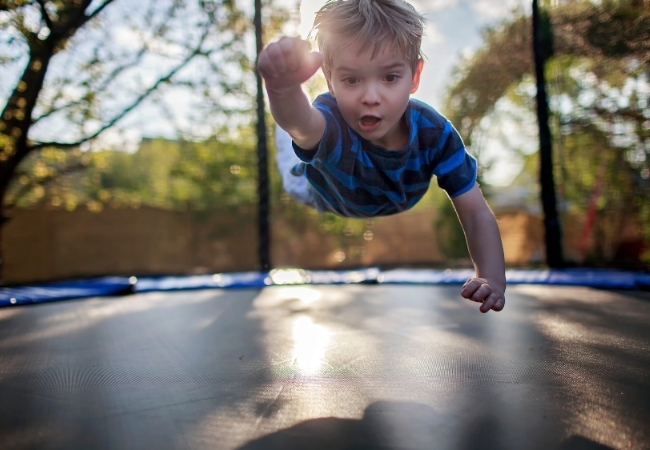
Despite its many benefits, trampolining has inherent risks. Most serious injuries happen on full-sized backyard trampolines, making safety awareness essential.
1. Falls and Collisions
This is the biggest risk. Falling off the trampoline can lead to sprains, broken bones, and head injuries. Colliding with another jumper, the springs, or the frame is also very common and dangerous. More than one person jumping at a time significantly increases this risk.
2. Incorrect Landing
Landing awkwardly on the mat—such as on your neck, head, or an outstretched arm—can cause severe injuries. Neck and spinal injuries, though less common, are the most serious risks, particularly when attempting flips without proper training.
3. Overuse Injuries
Just like any exercise, doing too much too soon can lead to strain. Ankle sprains, knee pain, or shin splints can occur from repetitive bouncing, especially if you have weak stabilizing muscles or jump with poor form.
4. Not Suitable for Everyone
People with certain health conditions should avoid trampolining or consult a doctor first. This includes individuals with severe osteoporosis (high risk of fracture), chronic back or neck problems, a history of disc issues, heart conditions, or dizziness/balance disorders. Pregnant women are also generally advised to avoid it.
5. A False Sense of Security
Safety nets and padding have made trampolines safer, but they do not remove all risk. Injuries can and do still happen on padded, enclosed trampolines. The sense of security these features provide may lead to lowered vigilance, potentially increasing the risk of accidents.
Safety Tips for Jumping on a Trampoline
You can greatly reduce the risks by following simple safety rules.
- One Jumper at a Time: This is the single most important rule. Most injuries happen with multiple users, especially when a heavier jumper causes a lighter one to bounce unpredictably.
- Supervise Actively: Children must always be supervised by an adult who is paying attention, not just present.
- Use Safety Equipment: For outdoor trampolines, ensure it’s on a soft, level surface. The trampoline should have a safety net and the springs and frame should be covered.
- Wear Proper Attire: Jump barefoot or wear non-slip trampoline socks to prevent slipping. Avoid loose clothing, jewelry, or shoes that could catch on the equipment.

- Learn Control First: Start with small, low bounces where you can keep your balance. Master basic jumps and landings with knees bent before trying any tricks.
- Avoid Flips: Leave these to trained gymnasts with proper coaching and equipment. Serious neck injuries often start with an attempted flip gone wrong.
- Climb On and Off Safely: Never jump off. Always use a secure ladder to get on and off to avoid trips and falls.
- Check Your Equipment: Regularly inspect the mat, springs, net, and frame for tears, rust, or damage.
- Stay mindful: Avoid letting yourself go completely. Keep your wits about you while playing and always prioritize safety.
Frequently Asked Questions (FAQs)
What’s the difference between a trampoline or rebounder?
A rebounder is a small, low trampoline designed for indoor fitness. Outdoor trampolines are larger and meant for recreation. Both offer trampoline health benefits like improved cardiovascular health, but rebounders are generally safer for solo workouts.
At what age can a child use a trampoline?
Many safety organizations advise against trampolines for children under 6 due to their fragile bones, underdeveloped coordination, and higher risk of severe injury. Always follow manufacturer age guidelines.
How long should I jump for a good workout?
For beginners, 10-15 minutes is plenty. You can work up to 20-30 minute sessions. Listen to your body—it’s a more intense workout than it seems!
Can a trampoline workout help me lose weight?
Absolutely. As a cardio exercise, it burns calories—anywhere from 100 to 200 in a 30-minute session, depending on intensity. Combined with a healthy diet, it’s an effective part of a weight-loss plan.
Conclusion
So, is jumping on a trampoline good for you? The answer varies from person to person. While it must be avoided by some individuals with specific health conditions, its benefits are generally clear overall. Trampolining is a fun way to exercise and plays an important role in long-term health maintenance. However, even for those well-suited to this activity, risks cannot be entirely ignored. Always maintain a focus on safety. Remember, there is no healthy jumping without safe jumping.