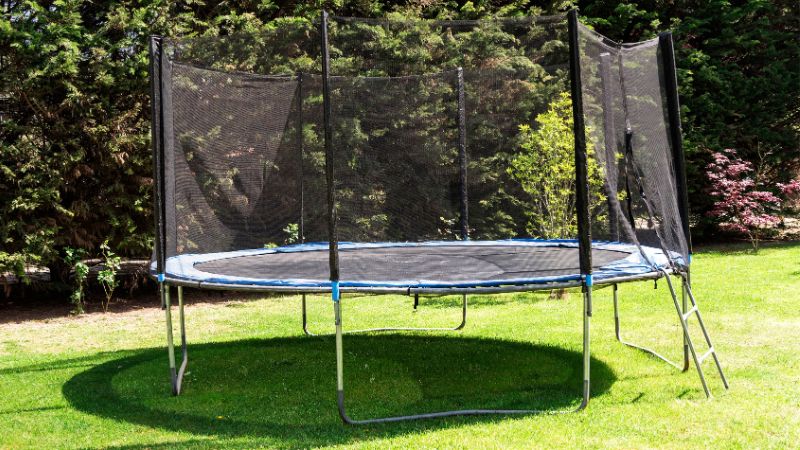
Cleaning a trampoline is not just about aesthetics; it is directly linked to the safety of jumpers and is key to extending its lifespan, preventing premature wear and tear. However, cleaning the trampoline is not as straightforward as cleaning other items, and many trampoline owners are left wondering how to clean it without causing damage.
This comprehensive guide will walk you through gentle and correct methods to clean every part of your trampoline, ensuring it remains a safe and comfortable place to play for years to come.
Why Cleaning Your Trampoline is Crucial
Skipping trampoline cleaning is more than just an eyesore—it can lead to real problems.
Firstly, safety is paramount. A dirty trampoline mat, especially one with wet leaves, moss, or mildew, becomes dangerously slippery, significantly increasing the risk of slips and falls. Bird droppings and tree sap are not only unsanitary but can be corrosive, gradually breaking down the protective coatings on the mat and netting.
Secondly, preventative maintenance saves money. Dirt and organic debris trap moisture against the trampoline fabric. This constant dampness is the primary cause of mold and mildew growth, which weakens fibers and leads to tears. Similarly, grit and mud caught in the spring or frame joints can accelerate rust and wear. Regular cleaning is the most effective way to prevent costly early replacements.
Step-by-Step Cleaning Guide
Always consult your trampoline’s manual first, but most models can be cleaned using this universal, gentle approach.
What You’ll Need:
- Soft-bristled broom or a leaf blower
- Garden hose with a spray nozzle (gentle setting)
- Bucket of lukewarm water
- Mild dish soap or a dedicated trampoline cleaner
- Soft cloths, sponges, or a soft-bristled brush
- White vinegar (for mold/mildew)
Step 1: Dry Clean First
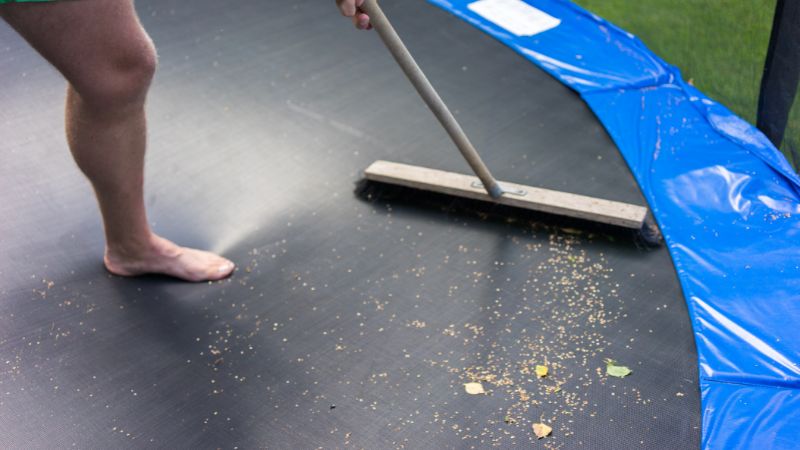
Never start with water. Begin by using a soft broom or a leaf blower on a low setting to thoroughly remove all loose debris—leaves, twigs, dust, and pollen—from the entire surface: the jumping mat, safety pads, and netting. This prevents you from just creating muddy paste when you move to the wet stage.
Step 2: Spot Clean Stains
For common stains like bird droppings, berry stains, or muddy footprints, spot cleaning is effective. Create a bucket of soapy water using a few drops of mild detergent. Dampen a soft cloth or sponge in the solution and gently dab at the stain. Avoid harsh scrubbing, which can damage the weave of the mat.
Step 3: Deep Clean the Mat & Pads
For an overall clean, fill a bucket with lukewarm water and a small amount of mild soap. Using a soft brush or cloth, gently scrub the trampoline mat section by section. Crucially, never stand or walk on the wet mat. Clean from the edges while standing on the ground or a stable ladder. Pay close attention to the safety pads, as dirt easily collects in their seams.
Step 4: Tackle Mold & Mildew
If you see black or greenish specks, a stronger natural solution is needed. Create a mix of one part white vinegar to one part water in a spray bottle. Spray it liberally on the affected areas and let it sit for 10-15 minutes. The acetic acid in vinegar kills mold without harsh chemicals. Scrub gently with a soft brush and rinse thoroughly.
Step 5: Rinse Thoroughly
This is a critical step. Using your garden hose on a gentle shower or mist setting, thoroughly rinse the entire trampoline. You must remove all soap and vinegar residue, as leftover cleaner can attract more dirt and degrade the material. Ensure you rinse the underside of the mat as best you can to prevent soap buildup.
Step 6: Air Dry Completely
Allow the trampoline to air dry fully before anyone uses it. Opening the drain holes in the mat (if your model has them) will speed up the process. A completely dry trampoline prevents mildew growth and is safest for jumping.
Preventive Measures
An effective cleaning strategy is proactive. These simple habits drastically reduce deep-cleaning frequency:
- Use a Protective Cover: A quality, vented trampoline cover is the single best investment. It shields the mat from UV rays, rain, and the majority of debris.
- Regular Dry Sweeping: Make it a weekly habit during peak use seasons to give the trampoline a quick sweep with a broom. This prevents organic matter from accumulating and decomposing on the surface.
- Strategic Placement: If possible, place your trampoline away from overhanging trees to minimize falling leaves, sap, and bird droppings.
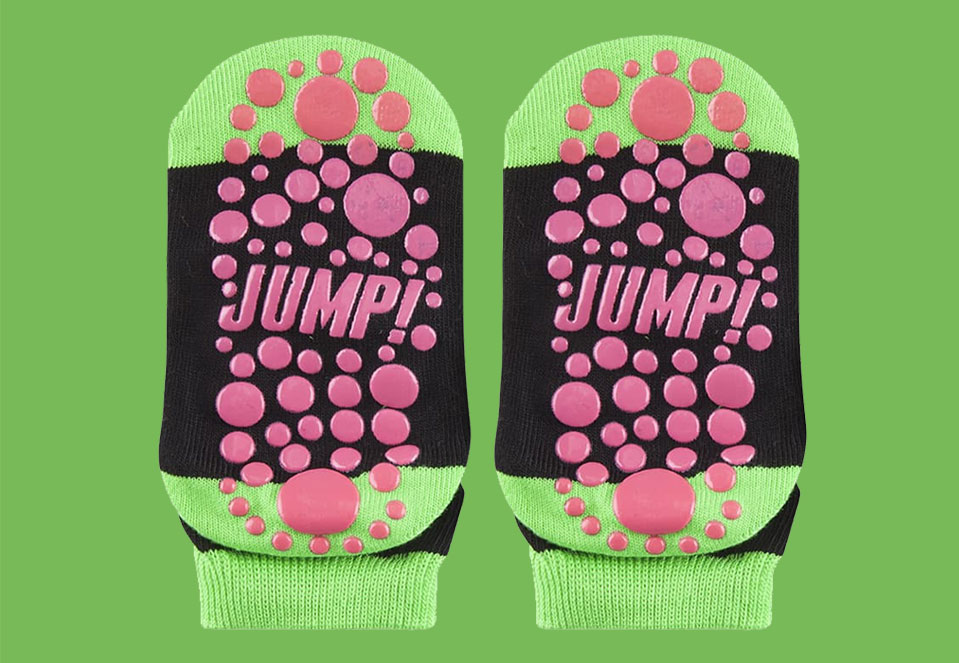
- Wearing trampoline socks: Implement a strict rule of trampoline socks. Not only do trampoline socks enhance your safety while jumping, but they also prevent direct contact between your feet and the trampoline, helping to keep your trampoline and your feet clean.
- Winter & Storm Prep: In harsh weather, consider taking down the trampoline or disassembling and storing it. If leaving it up, remove the safety net to prevent wind damage and ensure the cover is secure.
Conclusion
Cleaning your trampoline is a straightforward but essential chore. By understanding why trampoline care matters—for safety, hygiene, and durability—and following the gentle, step-by-step process outlined, you can maintain your backyard centerpiece with confidence.
FAQs
What can I use to clean my trampoline?
Use a soft brush, mild dish soap or a dedicated trampoline cleaner, and lukewarm water. For mold, a white vinegar and water solution is safe. Always rinse thoroughly with a gentle hose spray. Avoid harsh chemicals, bleach, abrasive tools, and pressure washers to prevent damage.
Why does my trampoline turn my feet black?
This is typically caused by carbon black, a UV stabilizer added to the polypropylene jumping mat to prevent sun damage. As you bounce, friction releases this harmless, non-toxic powder. Wearing trampoline socks can greatly reduce or even eliminate this issue, as they provide a protective layer between your skin and the mat. Be sure to choose reliable brands.
Do shoes ruin a trampoline?
Yes, shoes can damage a trampoline. Their abrasive soles wear down and tear the jumping mat, and they track dirt, grass, and debris onto the surface, grinding in grime. For safety and to preserve your trampoline, always jump barefoot or with approved trampoline socks.
What soap to use on a trampoline?
Use a mild, non-abrasive soap. A few drops of gentle dish soap or a specialized trampoline cleaner are ideal. Avoid detergents with harsh chemicals, bleach, degreasers, or strong fragrances, as these can break down the mat’s UV-protective coating and fibers.