Walking into your first pilates class, especially a reformer pilates session, you might notice many people wearing special socks instead of going barefoot. You’re left wondering: are these grip socks a necessary investment, or just a trendy accessory? The short answer is: while not always mandatory, they are highly recommended for safety, hygiene, and performance.
This guide will break down why grip socks for pilates have become a staple in pilates studios, helping you decide if they are right for your pilates practice.
Why Grip Socks Matter?
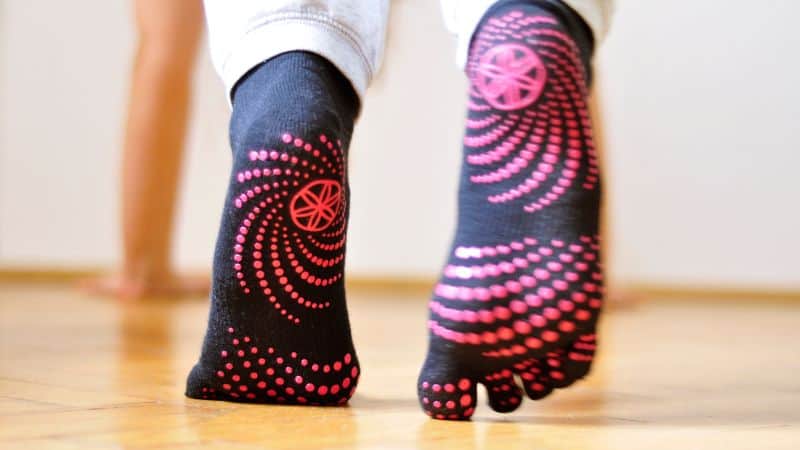
Grip socks are far more than just regular socks. They are socks designed specifically for low-impact exercises like Pilates and yoga. The key feature is the non-slip soles, often dotted with silicone grips on the sole that create traction on slick surfaces.
Here’s why they matter so much:
- Enhanced Stability and Safety: The primary reason to wear grip socks is to prevent slipping. On the smooth surface of a reformer machine, your bare feet can slip during challenging exercises. Grip socks provide the necessary traction to hold poses securely, reducing the risk of injury and helping you improve stability.
- Superior Hygiene: Pilates studios are shared spaces. Wearing socks creates a barrier between your feet and the equipment, keeping both you and the machines cleaner.
- Improved Performance: The best socks provide light compression and arch support, creating a secure footing that allows you to focus on your form. This stability enables more effective muscle engagement and enhanced body awareness.
- Comfort: Many grip socks are cushioned in key areas, moisture-wicking, and breathable, keeping your feet dry and comfortable throughout the entire session. This is a significant upgrade from cotton socks, which can become damp and slippery.
How Long Do Grip Socks Last?
The lifespan of your grip socks depends on two main factors: the quality of the socks and how often you use them. High-quality socks with durable silicone patterns can last for a year or more with regular use.
To extend their life, always check the care label. Washing them in a laundry bag and air-drying them.
Should You Wear Grip Socks? It’s Your Choice
While grip socks offer clear benefits, the decision to wear them ultimately comes down to your personal preferences and practice style. Let’s look at when they’re most valuable and when you might opt to go without.
When Grip Socks Are Highly Recommended:
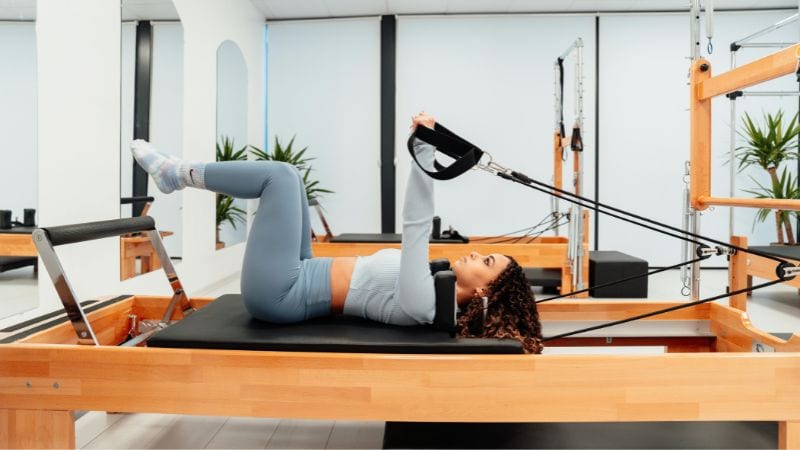
If you’re practicing reformer pilates, grip socks are practically essential. The moving carriage of the reformer machine creates a slippery surface where the non-slip socks provide crucial stability. They’re also ideal if you:
- Practice in shared pilates studios where hygiene is a concern.
- Tend to have sweaty feet during workouts.
- Want extra arch support and cushioning.
- Are working on improving your balance and body awareness.
- Prefer having that secure barrier between your feet and the equipment.
When You Might Go Without:
Some practitioners prefer the barefoot experience, especially during mat pilates where you have more natural traction. Going barefoot can:
- Give you better direct contact with the mat.
- Allow for more natural foot movement and strengthening.
- Offer a greater sense of freedom for some people.
- Work perfectly fine if you’re practicing at home with your own equipment.
Finding Your Balance:
Many experienced practitioners actually alternate between wearing socks and going barefoot depending on their workout. You might choose wearing grip socks for challenging reformer sessions, but go barefoot for gentle mat work. The best approach is to try both and see what feels right for your body and your practice.
Remember that every body is different, and what works for one person might not work for another. The most important thing is finding what helps you maintain proper alignment, improve stability, and feel most comfortable. Whether that includes grip socks or not is entirely up to you.
How to Choose the Best Grip Socks?
The quality and features of pilates socks can differ dramatically. When shopping, look for these features to ensure you get a pair that’s worth the investment:
- Grip Pattern: Look for a high concentration of grippy dots on the sole, particularly at the heel, ball of the foot, and toes. This ensures maximum traction.
- Material: Choose breathable, moisture-wicking fabrics like bamboo, nylon, or spandex blends. These materials will keep your feet comfortable and are more hygienic than cotton.
- Fit: The socks should be snug but not restrictive. A good fit is crucial for the grips to make proper contact with the equipment and to avoid bunching.
- Support: Some socks offer light compression and arch support, which can aid in proper alignment during your exercises.
- Style and Toe Type: You can find both full-toe and toe-less designs. Toe-less socks can offer a greater sense of freedom, similar to being barefoot, while still providing grip.
Other Occasions That Require Grip Socks
The usefulness of wearing grip socks extends beyond pilates. They are also excellent for:
- Barre workouts, where stability is key.
- Physical Therapy: Often used on rehab equipment.
- Travel: A hygienic footwear option for hotel gyms.
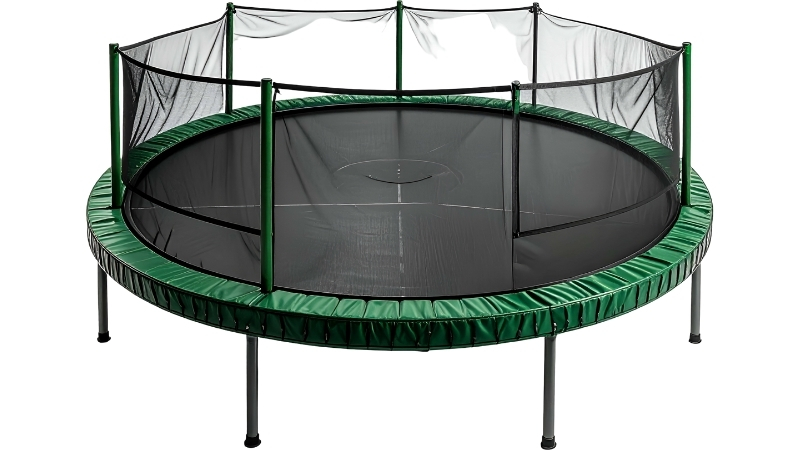
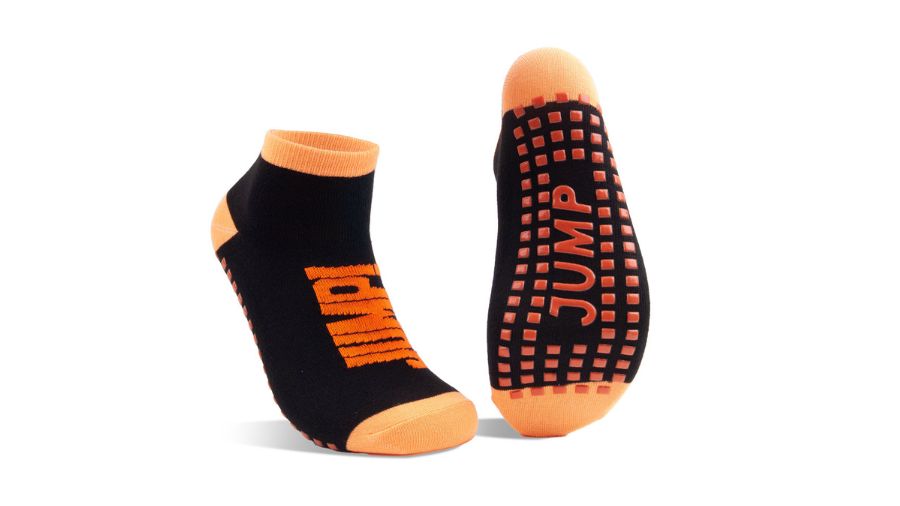
- Trampoline: Trampoline socks are required to be worn on the trampoline for safety and hygiene.
Frequently Asked Questions
Can I do Pilates barefoot?
You can, particularly during Mat Pilates where you have natural traction. However, going barefoot on Reformer machines is not advised due to the high risk of slipping on the moving carriage. For hygiene in shared studio spaces, grip socks are the preferred choice over bare feet.
I have foot injuries/sensitivities. Are grip socks still a good idea?
In many cases, yes—they can be very helpful. Look for socks with enhanced cushioning and arch support, which can provide relief and promote better alignment. However, if you have a specific condition like plantar fasciitis or severe sensitivity, it’s best to consult with your instructor or a podiatrist for a personalized recommendation.
Can I use Yoga socks for Pilates?
Yes, typically. “Yoga socks” and “Pilates socks” are often interchangeable terms for non-slip socks. The key feature is the grippy sole, which works for both disciplines. Just ensure the grips are substantial enough for the slick, moving surfaces of Pilates equipment.
Are trampoline socks different from regular Pilates socks?
Not really. Trampoline socks are very similar to the non-slip socks used on Pilates reformers. In practice, a high-quality Pilates sock with full sole coverage is perfectly adequate to function as a trampoline sock.
However, there are key differences. Trampoline socks are engineered to provide superior traction, as the unstable, bouncy surface of a trampoline demands a higher level of stability. Many brands specifically design these socks with reinforced, heavy-duty grip patterns to handle dynamic, high-energy jumping. For this reason, if you are a beginner or have less confidence in your balance and physical control, wearing proper trampoline socks is strongly advised for a safer experience at a trampoline park.
The grips on my socks are wearing out. Can I fix them?
Once the silicone grips have significantly worn down or started to peel, they cannot be effectively repaired. This is a sign of normal wear and tear. To extend their life, always follow the care instructions (air drying is the most important factor). When the grips are smooth, it’s time to replace them for your safety.
Conclusion
So, do you need grip socks for pilates? The best approach is to listen to your body and consider your practice environment. For the vast majority of practitioners in a studio setting, the security of non-slip soles and the cleanliness they provide make them an indispensable part of the pilates experience. Whether you’re a beginner finding your footing or an advanced practitioner refining your form, a good pair of grip socks will support your journey, allowing you to focus on what truly matters—perfecting your practice and connecting with your body.