When it comes to choosing the perfect pair of socks, the material plays a crucial role in performance and comfort. Whether you’re hitting the gym, heading to the office, or lounging at home, the right fabric can make all the difference.
From moisture-wicking capabilities to breathability and warmth, each fabric offers unique advantages. As you explore your options, you’ll discover how the right material can enhance your daily activities, keeping your feet cozy and dry. Let’s dive into the best materials for socks and find out which ones suit your lifestyle best.
Why Sock Material Matters
The right sock material is the secret to happy, healthy feet all day long.
Unlike other clothing items, socks act as a protective barrier between your feet and footwear, directly influencing moisture control, temperature regulation, and hygiene. Poor material choices can lead to dampness, friction, and bacterial growth, increasing the risk of blisters, fungal infections, and discomfort. Conversely, the right materials keep feet dry, reduce irritation, and provide cushioning to support daily movement.
By prioritizing sock material, you invest in long-term foot vitality, ensuring your feet stay healthy, comfortable, and protected in any environment.
Different Sock Materials: Pros & Cons
Understanding sock materials helps in selecting the right pair for comfort and performance.
For a quick comparison, the table below summarizes the key advantages and disadvantages of each material used in socks.
| Material | Advantages | Disadvantages |
|---|---|---|
| Cotton | Soft, comfortable for everyday wear. | Poor moisture-wicking (stays damp), low durability, loses shape. |
| Wool | Excellent insulation, wicks moisture, odor-resistant, breathable. | Expensive, may require special care, can feel itchy. |
| Bamboo | Moisture-wicking, antibacterial, soft, comfortable. | Less durable, can lose shape. |
| Synthetics | Durable, excellent moisture-wicking, elastic, retains shape. | Less breathable, can trap odor, less eco-friendly. |
| Blends | Balances benefits (e.g., comfort & durability), versatile. | Can be expensive, inherits flaws of components, can dilute benefits. |
The following is a breakdown of these common sock materials.
Cotton
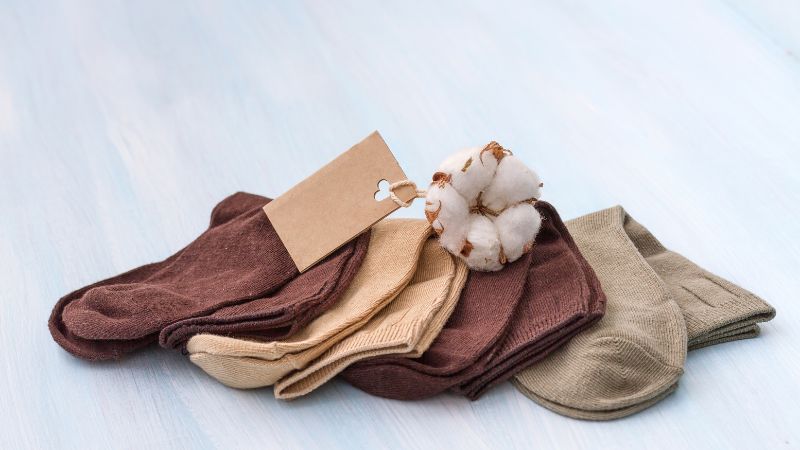
Cotton offers softness, making it a popular choice for everyday wear. Cotton socks are ideal for casual use and moderate temperature conditions.
However, cotton has notable limitations. It absorbs moisture but doesn’t wick it away, which can lead to dampness during extended activities, increasing the risk of blisters. Additionally, cotton socks often lack durability, losing their shape and cushioning after repeated washes, which makes them less suitable for long-term performance use.
Wool
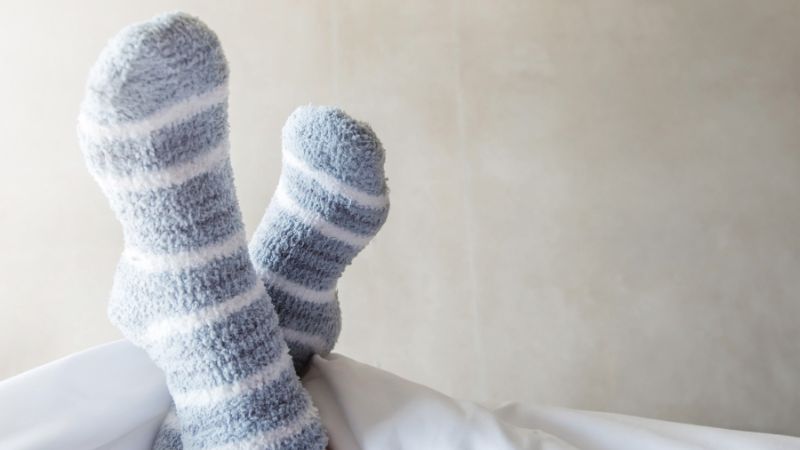
Wool provides excellent insulation and moisture-wicking properties. It keeps your feet warm in cold conditions while also remaining breathable, reducing the risk of blisters. Merino wool socks are especially soft and less itchy, making them a favorite for outdoor activities. Its natural antimicrobial properties help fight odor, making it a top choice for multi-day hiking sock trips.
Despite its advantages, wool can be relatively expensive compared to other materials, and some varieties may require special care, such as hand-washing or air-drying, to maintain their quality. Lower-quality wool socks might also feel coarse or itchy to those with sensitive skin.
Bamboo
Bamboo is known for its natural antibacterial and moisture-wicking capabilities. It keeps you comfortably dry and odor-free, making it suitable for hot weather and long durations. Bamboo socks often feature a soft feel and added cushioning, enhancing comfort.
On the downside, bamboo fabric tends to be less durable than wool or synthetic blends, often wearing out more quickly with frequent use. It may also wrinkle or lose its shape over time unless blended with reinforcing materials like spandex or nylon.
Synthetic Fabrics
Synthetic fibers like polyester, nylon, and spandex enhance durability, elasticity, and moisture management. Polyester socks offer exceptional moisture-wicking, while nylon adds strength and resilience. Spandex provides stretch, ensuring a snug fit without losing shape. These fabrics excel in athletic and performance socks.
Nevertheless, synthetic materials are not without drawbacks. They can be less breathable than natural fibers, potentially trapping heat in warm conditions. Some synthetic socks may also develop odors more readily, as they lack the natural antibacterial properties of wool or bamboo. Additionally, synthetics are derived from non-renewable resources, making them less environmentally friendly.
Blends
Blends combine various materials to enhance the benefits of each. For instance, cotton-polyester blends offer softness and durability, while nylon-wool blends provide warmth with added strength. These mixtures aim to balance comfort, performance, and longevity, catering to diverse needs.
Despite their versatility, blends can have drawbacks. The performance can be inconsistent, as the socks may inherit the disadvantages of their component materials. Achieving the ideal balance is complex, and some blends may still be prone to odor if they lack sufficient antimicrobial fibers. Additionally, high-performance blends with specialized materials can be more expensive than socks made from a single, basic material.
How to Choose the Best Sock Material For You
Choosing socks with the right material isn’t about finding a universal “best”—it’s about matching fabrics to your unique needs. Your lifestyle, activities, and personal preferences should guide your choice. Here’s how to tailor your decision:
Identify Your Primary Activity
- High-Intensity Sports (Running, Hiking): Prioritize synthetic blends (polyester-nylon) or merino wool blends (e.g., 60% wool/40% synthetic).
- Daily Wear: Opt for soft natural blends (bamboo-cotton or fine merino).
- Cold Weather: Choose thick wool blends with high insulating properties.
- Warm/Humid Climates: Focus on breathable, lightweight sock materials like bamboo, Tencel™, or mesh-enhanced synthetics to keep your feet cool.
Consider Foot Sensitivity
If you have sensitive skin or allergies, avoid coarse materials (e.g., standard wool). Instead, try:
- Bamboo viscose: Silky smooth and hypoallergenic.
- Fine-gauge merino: Soft and non-itchy.
- Seamless toe designs: Reduce friction and irritation.
Evaluate Moisture Needs
- Sweaty Feet: Avoid cotton. Choose moisture-wicking synthetics or merino wool to pull dampness away from the skin.
- Moderate Activity: Bamboo blends offer a balance of softness and moisture management.
Prioritize Durability & Fit
For long-lasting socks:
- Look for reinforced heels/toes (often with nylon).
- Ensure spandex/elastane (5–10%) is included for stretch and shape retention.
Avoid socks with high cotton content if you need them to maintain fit over time.
Match Material to Footwear
- Tight Shoes (e.g., dress shoes): Choose thin, smooth materials (e.g., microfiber or bamboo).
- Boots/Workwear: Opt for cushioned, moisture-wicking blends with extra padding.
- Sandals/Open Shoes: Select no-show socks with grip features (silicone strips) and breathable fabrics.
Sustainability Preferences
If eco-friendly materials matter to you:
- Recycled polyester/nylon: Reduces plastic waste.
- Organic cotton: Grown without pesticides.
- Bamboo/hemp: Rapidly renewable and biodegradable.
Frequently Asked Questions
Should I choose cotton socks for daily wear?
Cotton socks are soft and breathable, making them suitable for casual wear. However, they lack moisture-wicking properties and can trap sweat, leading to discomfort and potential foot issues. For prolonged activity, consider socks made from blends or synthetic materials that manage moisture better.
What material is best for athletic socks?
For athletic socks, synthetic materials like nylon, polyester, and spandex are ideal. They provide excellent moisture-wicking, breathability, and durability, enhancing performance during workouts. Merino wool is also a great choice for colder conditions, combining warmth with moisture control.
Are bamboo socks a good choice?
Yes, bamboo socks are an excellent option. They are naturally antibacterial, soft, and breathable, making them comfortable, especially in warmer weather. Bamboo also wicks moisture effectively, keeping your feet comfortably dry and fresh throughout the day.
How do I choose the right socks for cold weather?
For cold weather, opt for socks made of wool, particularly merino wool. Wool provides great insulation and moisture management, keeping your feet warm without overheating. Look for socks designed specifically for cold conditions for the best results.
What are the benefits of blended sock materials?
Blended sock materials combine the advantages of various fabrics, improving comfort, performance, and durability. For example, a cotton-polyester blend offers breathability from cotton with moisture-wicking benefits from polyester, creating a more versatile sock for different activities.
Why is moisture management important in socks?
Moisture management in socks is vital to prevent overheating and sweating, which can lead to blisters and unpleasant odors. Socks with moisture-wicking properties help keep feet dry, enhance comfort, and support overall foot health, especially during physical activities.
Conclusion
Choosing the right sock material can transform your comfort and performance throughout the day. By understanding the unique properties of various sock fabrics, you can make informed decisions that suit your activities and preferences. Whether you need moisture-wicking capabilities for workouts or warmth for colder climates, selecting the right sock material is key.
Take the time to find the most suitable sock material for you and enjoy every step you take!