When it comes to grip socks, durability is a key concern for many. These grip socks are designed to provide extra traction and support during various activities, from yoga to trampoline. But how long do grip socks last before needing a replacement?
Understanding the lifespan of grip socks can help you get the most out of your investment. Factors like material quality, frequency of use, and care practices all play a role in how long your grip socks will serve you. Let’s dive into what you need to know about their longevity and how to maximize their lifespan.
What Affects Grip Socks Lifespan?
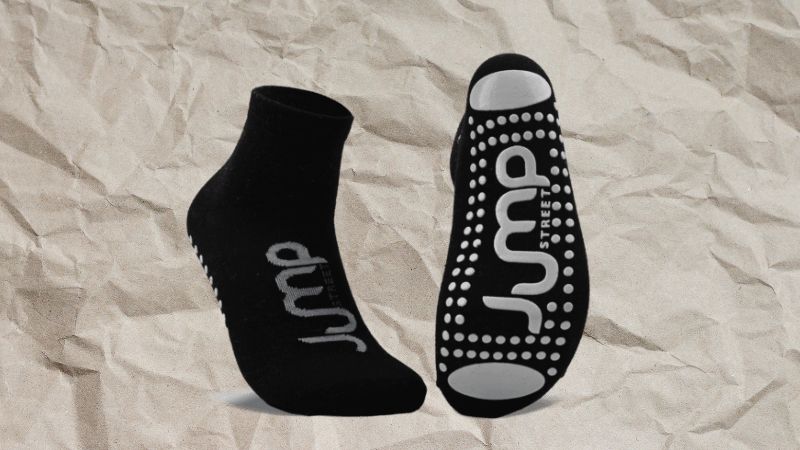
How long can grip socks last? Several factors determine the lifespan of these non-slip socks, including the quality of materials, frequency of use, intensity of activity, and washing and drying habits. Understanding these factors helps you make informed decisions about care and replacement.
Quality of Materials
This is the most fundamental factor. Not all grip socks are created equal, and the materials used in their construction are the biggest predictor of their potential lifespan.
- The Grip Material: The composition of the grip dots themselves is crucial. Lower-cost socks often use a thinner, less durable PVC or plastic compound for their grips. These can wear down, crack, or peel quickly. Higher-end performance socks utilize thicker, more resilient silicone or natural rubber. These materials are not only inherently grippier but are also more flexible and resistant to the stresses of stretching and impact. The density and pattern of the grips also matter; a sparse pattern will wear out faster in specific high-pressure points than a full, strategic coverage pattern.
- The Sock Fabric: The quality of the sock itself is just as important. A sock made from a flimsy, high-percentage cotton blend will break down, lose its elasticity, and develop holes long before the grips themselves might fail. Premium socks use technical blends that include nylon, spandex (Lycra), and polyester. These materials offer superior elasticity, moisture-wicking properties, and durability, ensuring the sock maintains its shape and integrity through countless washes and wears.
Always choose high-quality grip socks from trustworthy brands, such as SinoKnit.
Frequency of Use
This is simple math. The more often you wear a single pair of socks, the faster they will wear out. Grip socks endure significant friction, pressure, and stretching during every use.
The Rotation Principle: Think of your grip socks like your shoes. If you wore the same pair of running shoes every single day, they would break down in a matter of months. The same is true for grip socks. If you attend classes 3-4 times a week, owning just one pair means they are constantly being used and never getting a chance to “recover.” The elastic fibers and grip materials are under constant stress. Investing in two to three pairs of shoes for rotation can disperse wear and tear, thereby significantly extending their lifespan.
Intensity of Activity
How you use your socks is just as important as how often you use them. The level of intensity and the type of movement involved directly impact wear and tear.
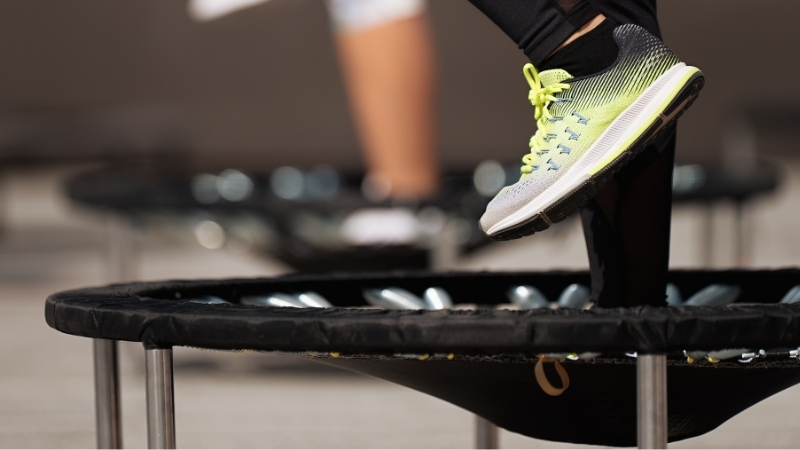
- High-Intensity / High-Friction Activities: Practices like hot yoga, where you’re sweating heavily and applying continuous pressure to holds, or intense trampolining with its powerful impacts and lateral movements, will degrade grips much faster. The combination of moisture, heat, and forceful friction accelerates the process of wearing down the grip patterns.
- Low-Intensity Activities: For lower-impact activities like Pilates or simply wearing grip socks for lounging on a slick floor, the wear will be considerably slower. The forces applied are gentler, resulting in a longer functional lifespan for the socks.
Washing and Drying Habits
This is, without a doubt, the single biggest factor within your control. Proper care can double the life of your socks, while improper care can destroy them in a matter of weeks.
- The Washing Machine Menace: Machine washing, even on a gentle cycle, can cause significant wear and tear. The constant agitation and spinning bash the socks against the drum and other clothing, causing the grips to peel, crack, and wear down prematurely. Furthermore, harsh detergents and especially fabric softener are the enemies of grip.
- The Dryer: This is the Absolute Worst Offender. Heat is a fatal weakness of the synthetic materials (silicone, PVC, rubber) used in grip socks. Tossing them in the dryer subjects them to intense, direct heat that can melt the grips, make them brittle, cause them to curl at the edges, or permanently destroy their tacky texture. This one mistake can render a perfectly good pair of socks useless after a single cycle.
How Long Do Grip Socks Last?
| Frequency of Use | Expected Lifespan | Key Considerations |
|---|---|---|
| Intensive Use (e.g., daily training) |
1 – 3 months | High friction and frequent washing will cause the grips to wear down much faster. |
| Frequent Use (e.g., 2-3 times per week) |
3 – 6 months | This is the standard expectation for a quality pair. |
| Occasional Use (e.g., once a week) |
6 – 12+ months | The socks will last significantly longer due to less wear and tear. |
How to Extend the Life of Your Grip Socks
Now that you know what harms them, here’s your actionable plan to protect your investment and keep your socks sticky and secure for as long as possible.
- Hand Wash, Always. This is the golden rule. After each use, turn your socks inside out and hand wash them in cool or warm water using a small amount of mild, gentle detergent. Use your fingers or a very soft-bristled brush (an old toothbrush is perfect) to gently scrub the grip areas and dislodge any dirt, oil, or lotion. Rinse them thoroughly until all soap suds are gone.
- Air Dry, Every Time. After gently squeezing out excess water (never wring them out), lay them flat on a clean towel or drying rack. Ensure the grip dots are facing up to allow for maximum air circulation. Place them in a well-ventilated area away from direct sunlight, radiators, or any other heat source. Patience is key; let them air dry completely before wearing or storing them.
- Rotate Multiple Pairs. As discussed, don’t put all the pressure on one pair. Having a rotation of two or three pairs is the easiest way to distribute wear and significantly extend the life of all of them.
- Store Them Properly. Don’t just crumple them up in a gym bag. Store your clean, dry socks flat or gently rolled. Avoid folding them in a way that creates a sharp crease in the grip dots, as this can lead to cracking over time.
Signs It’s Time to Replace Your Grip Socks
No amount of care can make grip socks last forever. Eventually, they will need to be retired for your own safety and performance. Here’s how to know when that time has come:
- The Grips Are Completely Smooth: Run your finger over the bottom of the sock. If the once-prominent dots or patterns are worn completely flat and smooth, they can no longer provide adequate traction. This is the most common sign of death for grip socks.
- The Grips Are Peeling or Cracking: If you see the grip material flaking off, cracking, or peeling away from the sock fabric, it’s time to let go. These pieces can create an uneven surface that is unstable and unsafe during exercise.
- Loss of Elasticity: The sock itself should hug your foot and calf snugly. If the cuff is stretched out and won’t stay up, or the footbed is baggy, the sock will slide around during activity, which is distracting and dangerous.
- Holes in the Fabric: Obvious wear and tear, like holes in the toes or heels, is a clear sign that the sock’s structural integrity is compromised.
Wrapping Up
The lifespan of your grip socks is not a matter of chance; it’s a matter of choice. By understanding that quality, use, and care are the three pillars of durability, you are empowered to make decisions that will keep your feet firmly planted class after class.
Investing in a well-made pair from a reputable brand is the first step. Treating them not as disposable accessories but as valuable pieces of workout gear is the second. By committing to a simple care routine of hand washing and air drying, you can dramatically slow the aging process, ensuring you get every last bit of value and performance out of your grip socks before it’s finally time for a new pair.